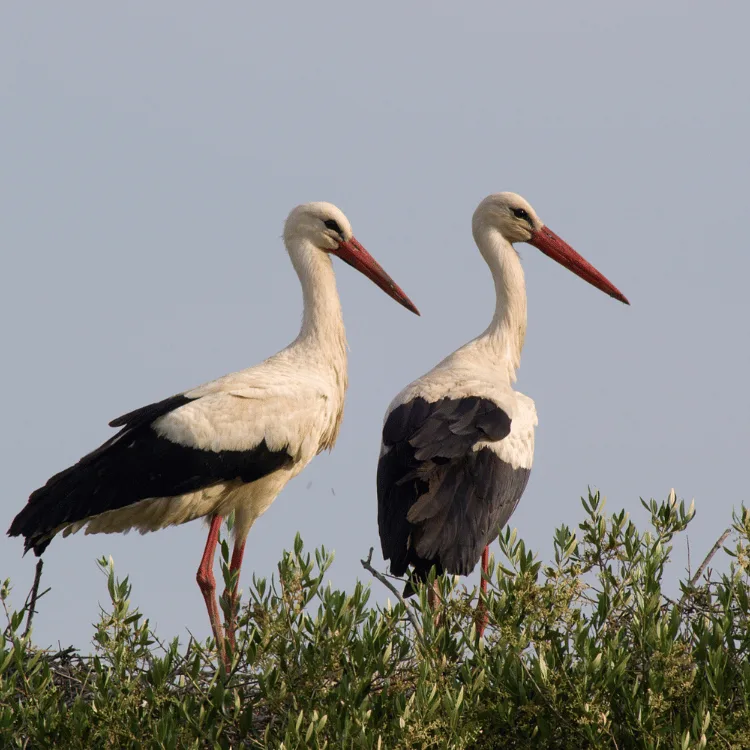
The stork – the unmistakable migratory symbol of spring
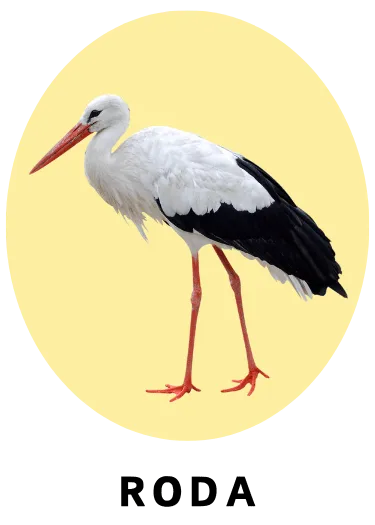
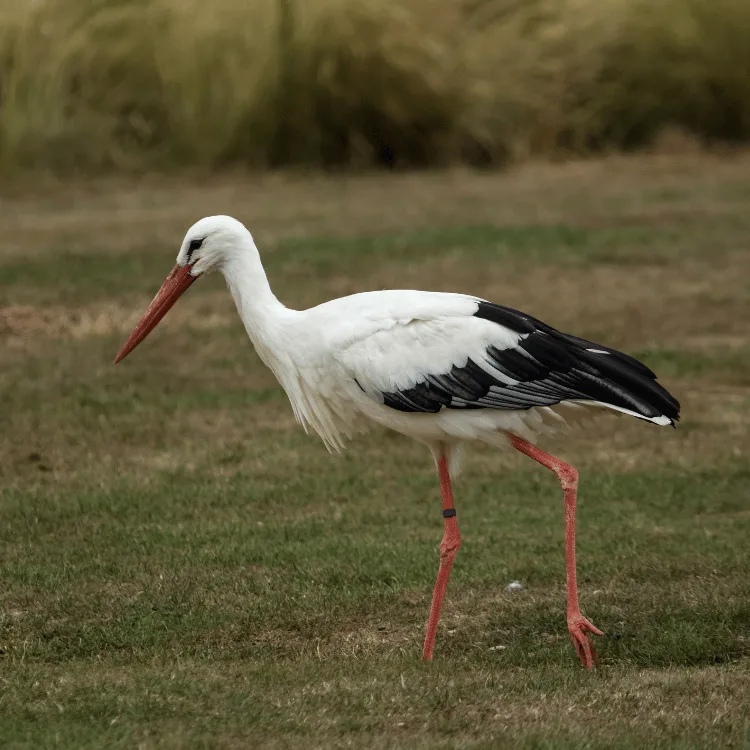
The white stork (Ciconia ciconia) is a large migratory bird known for its long journeys and its close ties with human settlements. Its distinctive black-and-white plumage, long beak and legs, and characteristic nesting habits make the stork one of the best-known and best-loved birds in Europe, including Croatia. Besides its impressive size, the stork is also a symbol of spring, because its return from migration often marks the start of warmer days.
White stork (Ciconia ciconia)
Storks and their distribution in Croatia
The stork is best known in Europe, and in Croatia it can be seen in spring and summer, as it is a migratory bird that comes from Africa. It is widespread in Croatia, especially in farming areas and near marshes and rivers, where it can be seen nesting on tall trees, chimneys or special artificial nesting platforms put up by people. Although storks were once widespread, their numbers have fallen in recent decades due to urbanisation, habitat loss and changes in agriculture. Today in Croatia stork nests are most often seen in the east of the country, and the species is also present in areas along rivers and marshes.
Stork habits and behaviour
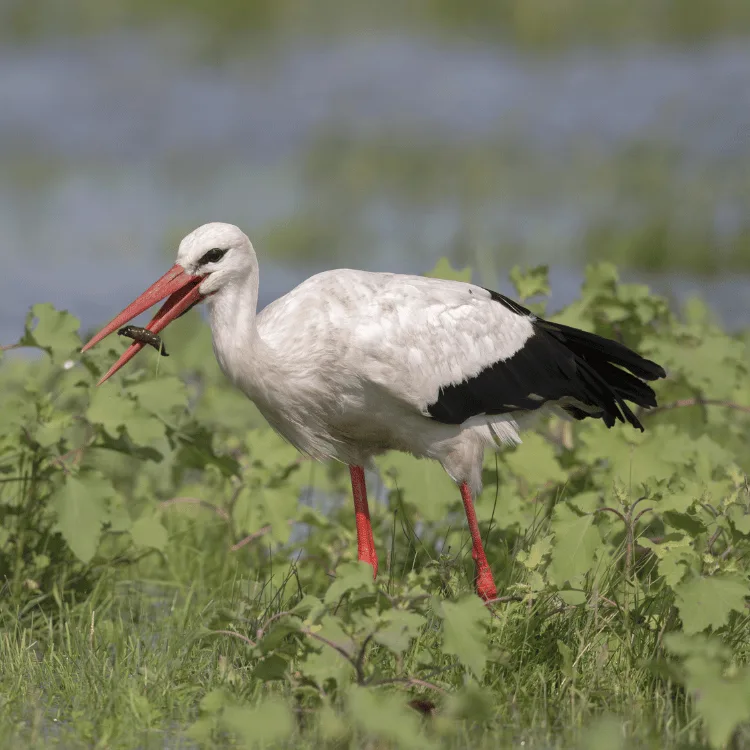
The stork prefers open spaces, fields, marshes and rivers, as these offer ideal conditions for finding food. Its diet consists of insects, small mammals, reptiles, fish and other aquatic creatures. The stork is known for its particular hunting method– it stands still in the water or on grassland, moving only its neck and beak, and then suddenly snatches its prey. This is an extremely efficient way of hunting, as it lets the stork catch prey without moving too much. In addition, the stork is a sociable bird that often nests in colonies, and one colony may contain several pairs that guard the territory together. The stork is also known for its impressive migrations. Every autumn it flies south, usually to Africa, and in spring it returns north, including to Croatia.
Nesting and family life
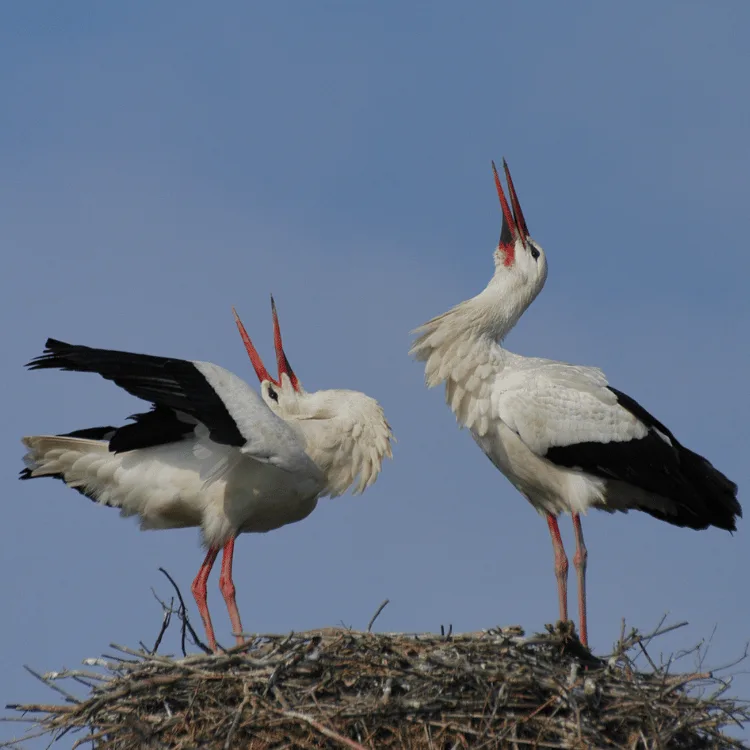
Storks nest on tall trees, chimneys or artificial structures put up by people. The nests are huge and can be used for many years. The nest is built from branches, grass, feathers and mud, and both parents are actively involved in building and maintaining it. The stork is a monogamous bird, which means pairs usually stay together for life. It is also known that “marriages” often form between storks and other storks living in the same colony. The female usually lays 2 to 5 eggs, and both parents take turns incubating them; they hatch after about 30 days. The young storks stay in the nest for several weeks, and the parents feed them until they are big enough to feed themselves. During this time the young start learning to hunt and preparing for migration.
Lifespan
In the wild, storks can live up to 30 years, although the average lifespan in the wild is 10 to 15 years. Many storks do not reach adulthood because of predators, accidents or disease, while some can survive to an old age. Under protected conditions, where there are fewer threats, a stork can live even longer, and their longevity often increases in areas where people create a safe environment for nesting.
Facts and research
The stork has long been a symbol of spring, and in many cultures it is considered a bringer of good luck. Its return from Africa was often accompanied by traditions and beliefs that gave it the symbolism of renewal and fertility. In Croatia, for example, people often put up artificial nests for storks, believing that this would help them continue their life cycle in the area. Interestingly, the stork is also known for sometimes carrying small objects such as light bulbs, old bits of fur or other items into its nest. This behaviour may be put down to its wish to create stable and safe conditions for raising its young.
The stork’s role in the ecosystem
The stork is important for the ecosystems it lives in because it helps maintain the balance of populations of smaller animals and insects. By hunting, the stork keeps the numbers of pest insects and small mammals in check, helping to maintain healthy farmland and wetland ecosystems. What is more, the stork’s migrations reflect the state of the environment. These birds are excellent indicators of ecological change, as their movements depend on the climate and on habitat conditions.
Conclusion
The stork is a bird that wins people’s hearts all over the world with its size, its migrations and its symbolism. Its migrations and social behaviour fascinate scientists and bird lovers alike, while its presence in nature is a sign of a healthy ecosystem.Although storks face challenges such as habitat loss and climate change, they remain a symbol of spring and hope, teaching us the importance of conserving nature and biodiversity.