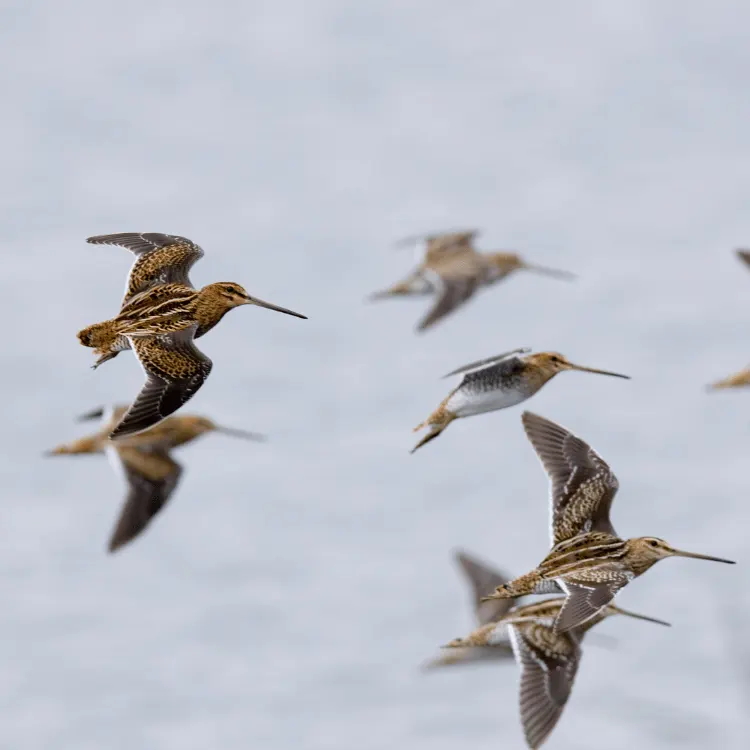
The common snipe (Gallinago gallinago) is a bird of the family Scolopacidae, known for its remarkable adaptation to marshy and wet habitats. With its distinctive appearance and unique behaviour, the snipe is a true master of survival in the wild. It is often found in marshes, grasslands and areas rich in water, where it feeds and looks for cover.
Physical characteristics
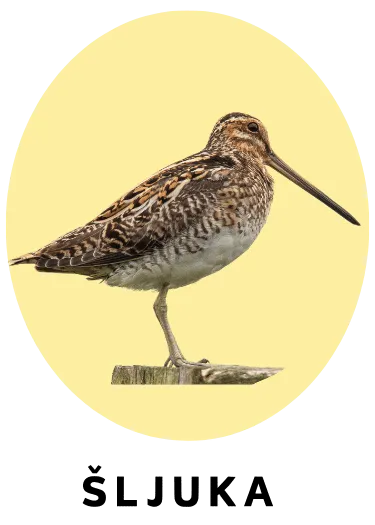
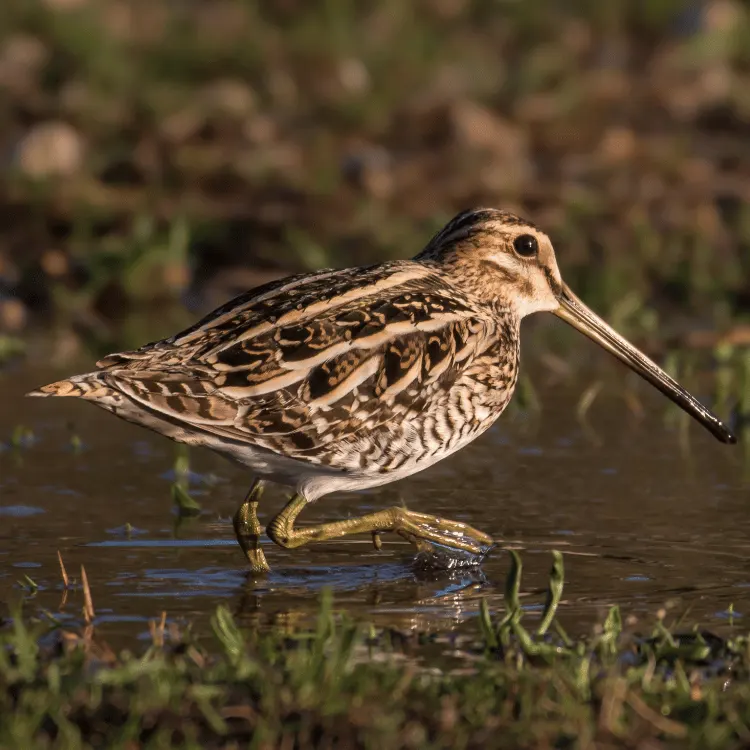
Body and plumage: the snipe’s plumage is brownish in various shades, which lets it blend perfectly into its surroundings. Its plumage is mottled, which makes it inconspicuous among the plants.
Size: the snipe is a medium-sized bird, about 23 to 28 cm long, with a wingspan of 40 cm.
Beak: one of the snipe’s most striking features is its long, slender beak, which it uses to probe and search the ground for food.
Tail and legs: the snipe’s legs are relatively short, while its tail is longer and helps it keep its balance as it walks over wet ground.
Common snipe habitat and distribution
The snipe prefers marshland, grassy meadows and damp woodland clearings. This bird is widespread in Europe, Asia and north-west Africa, where it lives in areas rich in water.
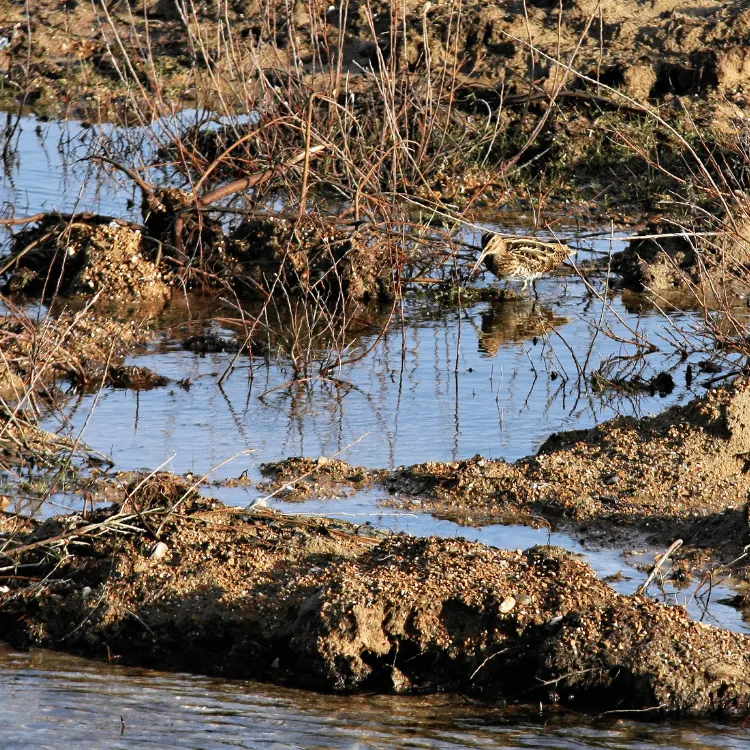
The snipe is often seen in wet areas such as marshes, rivers and lakes. It is also found in grassy vegetation and fields, especially where there is shallow water and mud.
In the autumn months the snipe migrates to more southerly regions in search of warmer areas with enough food and suitable conditions for survival
What does the snipe eat?
The snipe is an insectivorous bird that feeds on small creatures it finds in wet areas.
Insects and their larvae: the snipe’s main source of food is insects such as beetles, grasshoppers and ants, as well as larvae found in mud and water.
Worms: it also feeds on worms, which are a common food in its habitat.
Hunting method
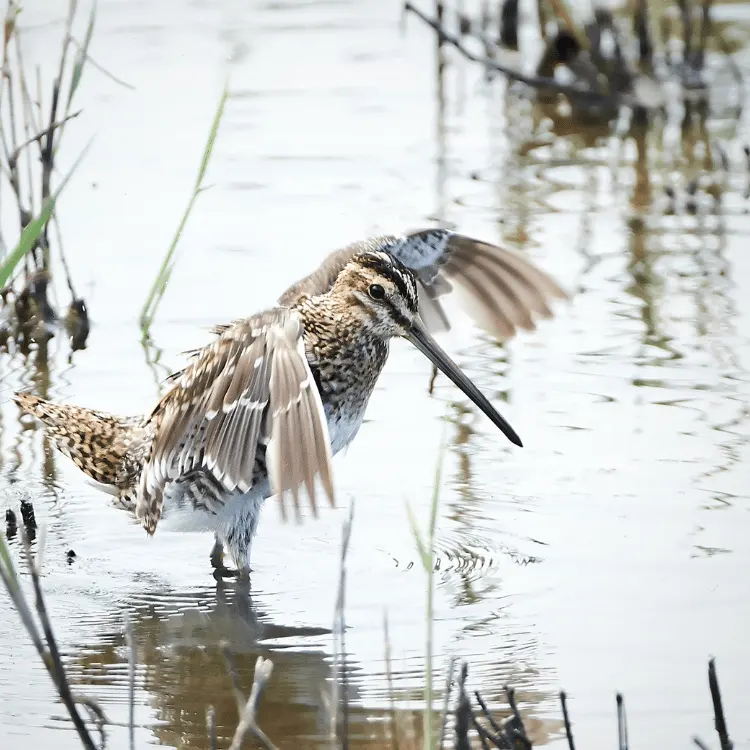
The snipe uses its long beak to probe the ground and water in search of food. You can often see it looking for insects and worms as it walks through the mud, using its beak to dig into the soil.
Snipe behaviour
The snipe spends most of its time on the ground, searching for food and avoiding predators
Hopping and walking: the snipe often looks for food by walking or hopping over wet ground, using its long beak to dig and probe.
Flight: the snipe is an exceptionally good flyer and often performs fast, sharp manoeuvres in the air, especially when it feels threatened.
Avoiding predators: because it blends so well into its surroundings, the snipe often goes unnoticed and can quickly disappear on foot or on the wing.
Calls
The snipe is known for its characteristic calls, which include rapid squeaking and high-frequency sounds. These sounds can be heard from a distance, especially during the breeding season.
Nesting and caring for the young
The snipe builds its nests in grassland or marshy areas, where it protects its young from predators.
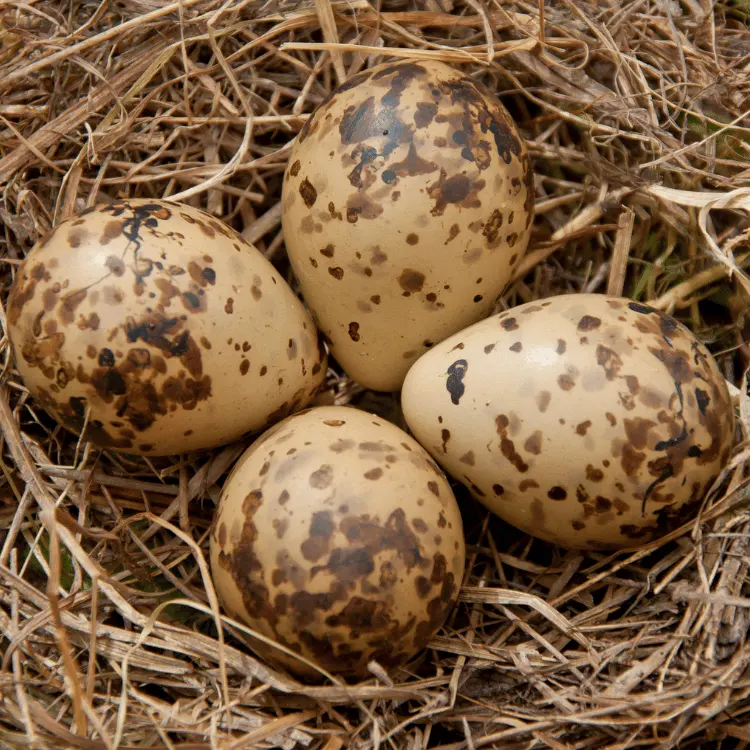
The snipe’s nest is on the ground or very close to it, usually in tall grass or in sheltered spots. The nest is built from grass and leaves, and the inside is lined with soft materials.
The female lays 4 to 6 eggs, which she incubates for about 14 days.
Both parents look after the young. After the chicks leave the nest, the parents continue to help them find food.
Interesting facts about snipes
Migration: the snipe migrates to the southern part of the world in the autumn months in search of warmer areas.
Survival: the snipe is an extremely adaptable bird that can survive in the harsh conditions of marshland, often evading predators thanks to its camouflage.
An efficient beak: the snipe’s long beak allows it to feed on insects very efficiently
Conclusion
The common snipe (Gallinago gallinago) was once a common sight on wet meadows and marshes, but today its future is increasingly uncertain because of habitat destruction, overhunting and poaching. Although it is not yet considered threatened at a global level, it has declined significantly in many regions.
Protecting its natural habitats and restricting hunting are key steps to securing the survival of this remarkably adaptable yet vulnerable bird. If nothing is done to conserve its wetlands, it could become yet another species on the brink of extinction.