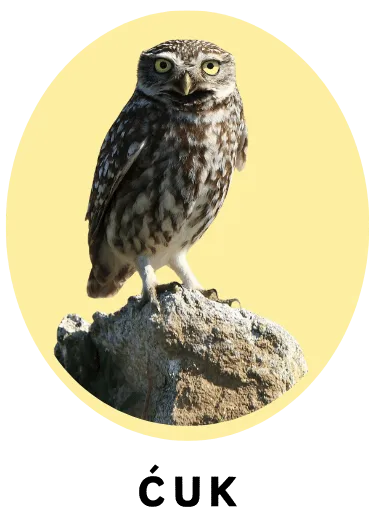
Other names for the scops owl: European scops owl, small owl, Otus scops
Scops owls, also known as European owls or little night hunters, belong to the genus Otus and are recognised by their smaller size, calm behaviour and distinctive call, which sounds like “tyoo-tyoo”. In Croatia, Otus scops is the best-known scops owl species and appears as a migratory bird during the warmer months. These nocturnal birds play a key role in the ecosystem, helping to control insect populations and rodents.
Eurasian scops owl (Otus scops)
Scops owl species in Croatia
In Croatia, the Eurasian scops owl (Otus scops) is the only native species of the genus Otus. Other scops owl species may occasionally be seen, though rarely, mostly as migrants or vagrants. The Eurasian scops owl is small, with an average body length of 19–21 cm, and has brown, grey or mottled plumage that gives it excellent camouflage in the treetops.
Scops owl habitat and habits
Scops owls prefer open areas with trees, such as small woods, olive groves, vineyards, orchards and parks. They mostly stay at medium heights and avoid dense forest. In Croatia they are common in coastal and Mediterranean regions, but they can also be found in continental parts of the country during the warmer months.
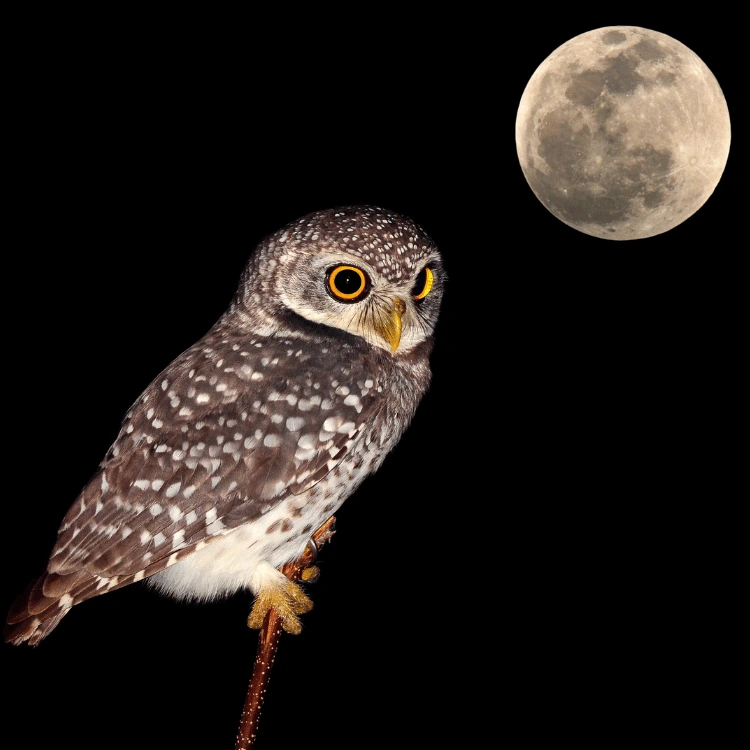
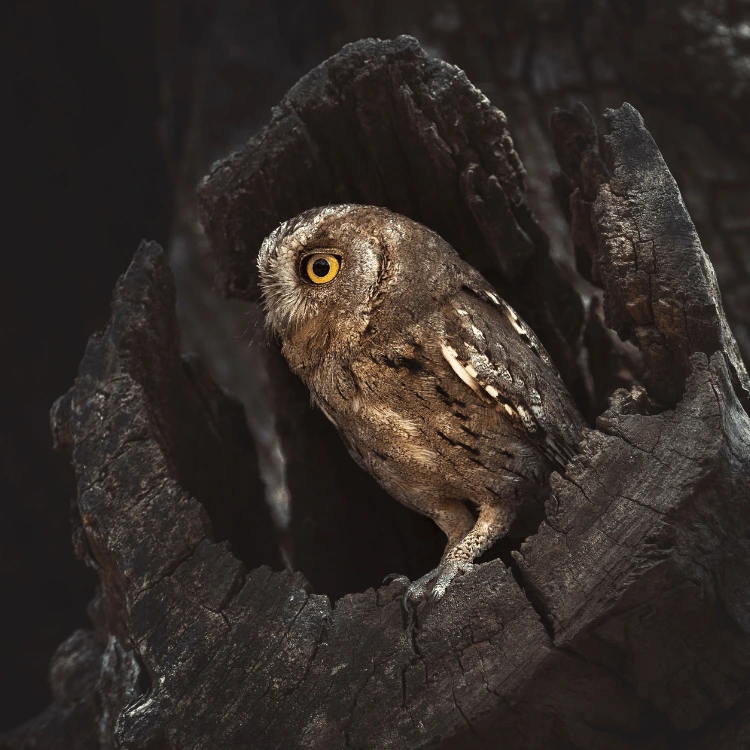
As nocturnal birds, scops owls are active from dusk to dawn; during the day they hide in treetops or tree hollows, where they are hard to spot thanks to their remarkable camouflage.
What do scops owls eat?
Scops owls are carnivores, and their diet consists mainly of insects such as grasshoppers, beetles and moths. Occasionally they hunt small mammals such as mice, as well as small birds and lizards. When hunting, scops owls use their exceptionally good night vision and hearing to locate prey precisely, often flying silently through the treetops.
Scops owl lifespan
In the wild, the Eurasian scops owl can live for around 6–10 years, although the average lifespan is shorter because of natural threats such as predators, disease and habitat loss. In captivity, with good care, a scops owl can live even longer.
Scops owl breeding and behaviour
Scops owls nest in tree hollows, old buildings or nest boxes put up for birds. Nesting begins in late spring, and the female lays 3–6 eggs, which she incubates for about three weeks. Young scops owls grow quickly and leave the nest within a month.
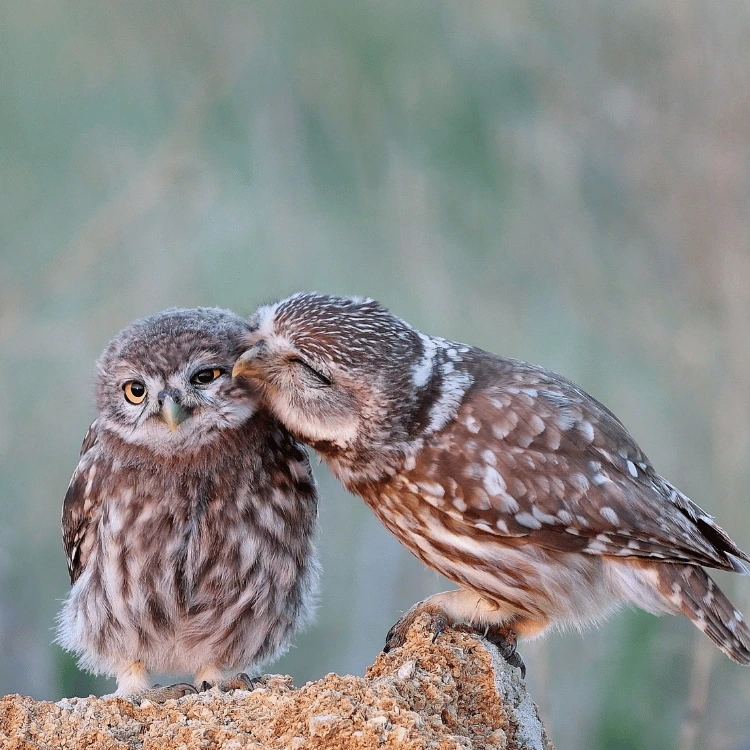
Scops owls are monogamous birds that often keep the same partner over several seasons. Their calls are used to mark territory and to communicate with their partners, and on still nights they can be heard several kilometres away.
Interesting facts about the scops owl
Camouflage: When disturbed, scops owls stretch their bodies and pull their feathers in tight, so that they look like a branch or part of the tree. This behaviour helps them hide from predators.
Migration: Scops owls are migratory birds that spend the winter in the warmer regions of Africa, but they always return to the same nesting sites. Their migration fascinates ornithologists, as they cover hundreds of kilometres in a relatively short time.
Scops owl research and conservation
Scops owls are the subject of numerous scientific studies, especially because they depend on healthy ecosystems. Changes in scops owl populations are often used as indicators of ecological change, such as the decline in insects caused by intensive pesticide use. In Croatia, habitat conservation projects for scops owls are under way, including putting up nest boxes and raising awareness of their importance in nature.
Conclusion
Scops owls are not just a symbol of the mystery of the night but also key players in maintaining the balance of nature. Their adaptability, their talent for camouflage and their role in the ecosystem make them an irreplaceable part of the natural world they live in. By protecting their habitats, we can ensure that these fascinating birds continue to play their part in keeping ecosystems healthy.