
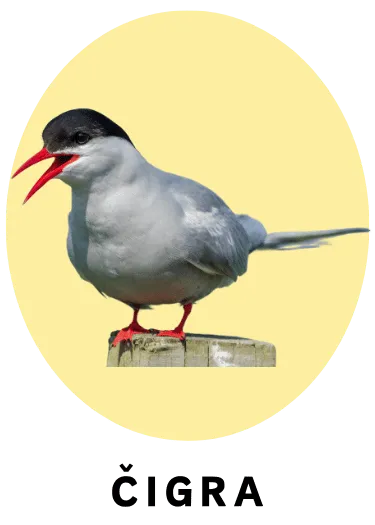
Raising a little tern chick
Raising a little tern chick: from finding it to releasing it into the wild
The little tern (Sterna albifrons) is one of the smallest tern species, known for its grace and its adaptation to life by the water. Hand-rearing young terns is a delicate process that requires attention, patience and detailed knowledge of their needs. Below is a step-by-step guide to hand-rearing, from the moment the chick is found right through to preparing it for its return to the wild.
Finding a little tern chick: first steps
Young terns are often found near the coast, on shingle beaches or sandbanks where this bird builds its nests.
Assessing the chick's condition
- Health check: Examine the chick for any injuries or signs of exhaustion. If the bird is injured, contact a vet who treats wild birds or a nearby wildlife rescue centre straight away.
- Estimating its age: Very young chicks are covered in soft, fluffy down and cannot feed themselves.
Safe housing
- Warmth and safety: Put the tern in a box lined with soft materials (such as cotton or a towel). Avoid surfaces that are too rough or slippery.
- Protection from stress: Keep the chick in a quiet place, away from noise, pets and people.
What to feed a little tern chick: the basics
Terns live mainly on fish, so it is important to simulate their natural way of feeding.
The first days of feeding
- Food for chicks: Start by feeding minced white fish with no bones. Alternatively, use small pieces of fish, such as anchovy or sand smelt, cut to fit the size of the chick's beak.
- Feeding frequency: Young terns should be fed every 2–3 hours during the day, including early-morning and evening feeds.
- Hydration: Terns get their fluids from their food, so there is no need to give water unless the bird is dehydrated, in which case offer a drop of water from a pipette.
Moving on to independent feeding
- Introducing whole fish: As the chick grows, start offering small whole fish. This encourages the natural behaviour of catching and swallowing.
- At first, use small pieces of fish that you toss into the air so the tern can practise catching them quickly.
- Adding live fish: Release small fish into a pool and watch whether the tern tries to catch its prey by diving. Simulated hunting: Put fish in a shallow container of water to simulate natural conditions and encourage the chick to catch its own food. Set up a larger container with water and small fish so the tern can try catching fish by diving. Before release, take the tern to wetland habitats often, where it can practise in real conditions.
Development and preparing for flight
As the little tern grows, you need to provide conditions that allow it to develop the ability to fly and behaviour suited to life in the wild.
Flight training
- Space to practise: Put the tern in a large aviary with enough room to spread its wings and make its first attempts at flying.
- Supervised practice: Encourage the chick to fly by placing fish on raised platforms.
Getting to know the environment
- Getting used to nature: Gradually introduce the chick to natural elements such as water, wind and the sounds of nature.
- Imitating a flock: If you are raising several terns, let them interact with each other so they develop social instincts.
Preparing for release into the wild
Releasing a little tern into the wild requires careful planning and favourable conditions.
Gradual release
- Choosing a site: The ideal release site is a coastal area with plenty of fish, where other terns already live.
- Transition to the wild: Let the chick gradually spend more time outside, under supervision, before the final release.
Final release
- The right moment: The release is best planned for the warmer months, when food is most plentiful and the weather is stable.
- Monitoring its behaviour: After the release, watch how the tern copes in the wild, especially in the first few days.
Conclusion
Raising a little tern from day one to its release takes dedication, the right diet and gradual preparation for life in the wild. A tern's successful return to the wild not only contributes to the conservation of the species but also strengthens the ecosystem of coastal areas.