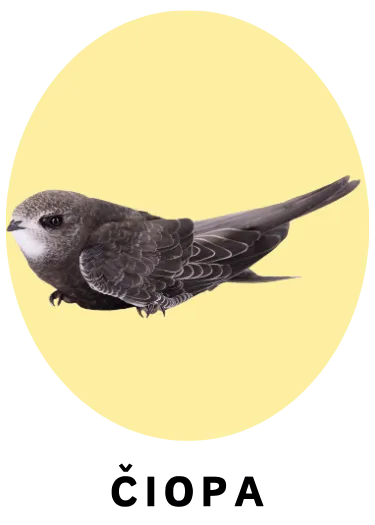
Raising a baby swift: from finding it to releasing it into the wild
The common swift (Apus apus) is known for its incredible flying ability and its life high up in the air. Raising a young swift that may have fallen out of the nest or lost its parents requires special care and expertise so that it can be successfully prepared for its return to the wild. Here is a detailed guide to raising a swift, from the moment you find it until its release.
Finding a baby swift
Swifts often fall out of their nests, especially during storms or strong winds, because they build their nests high up, for example under roofs or in walls.
Assessing its condition
Health check: Examine the swift for injuries to its wings, legs or beak. Injured birds should be taken straight away to a vet who specialises in wild birds.
Determining its age: Young swifts can be recognised by their short feathers and their inability to fly.
Housing the chick
A warm, safe space: Put the swift in a box lined with soft materials such as cotton or fabric.
Avoiding stress: Keep the chick in a quiet place, away from noise and pets. Swifts must never be kept in a cage, because they will break their flight feathers.
What to feed a baby swift
Unlike some other birds, swifts are insectivores, which means they feed exclusively on insects, so the right diet is crucial for their development.
Initial feeding
Suitable food: The ideal food for a swift is freshly caught insects such as crickets, flies and larvae, or substitutes such as specialised food for insectivorous birds.
Amount of food per feed: Each swift should eat about 1–1.5 grams of food per feed, which is equivalent to a few smaller insects such as crickets or a larger number of flies.
Number of feeds per day: A young swift should be fed every 2–3 hours during the day.
Hydration
Extra fluids: If the chick shows signs of dehydration, offer a drop of water on the tip of a pipette. Never force the chick to drink water, as it may choke.
Preparing for flight
.Swifts are born flyers, but hand-reared youngsters need special strengthening before they are ready to be released.
Muscle development
Space to practise: Let the chick cling to a curtain, where it can flap its wings and strengthen its muscles.
Simulated flight: Gently lift the chick on your palm and let it flap its wings while you support it.
Behaviour in the wild
Getting to know its surroundings: Gradually expose the chick to outdoor conditions such as wind and sunlight.
Interaction with other birds: If possible, let young swifts interact with members of their own species so they adapt to social patterns of behaviour.
Releasing a baby swift into the wild
Releasing a swift into the wild requires detailed planning and the right conditions.
Proper flight training
Checking it is ready: Swifts must be able to fly strongly and stay airborne for several minutes before they are released.
Simulating high-altitude flight: These birds naturally live high up, so it is essential to provide training that simulates their natural environment.
Choosing a location
A suitable location: Ideal places are open areas with enough height for take-off, away from built-up areas and predators.
Weather conditions: The release should take place in calm weather, without strong wind or rain.
Conclusion
Raising a baby swift from finding it to releasing it is a complex but extremely important process for the conservation of these fascinating flyers. By feeding it carefully, allowing its flight muscles to develop naturally and preparing it for life in the wild, we give the swift the chance to return successfully to its natural habitat.