
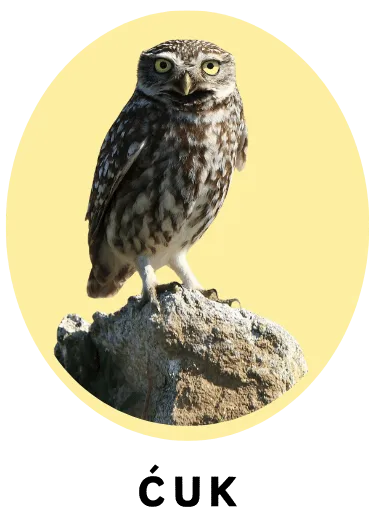
Raising a baby scops owl
Hand-rearing a scops owl (Otus scops) until its release into the wild
The Eurasian scops owl (Otus scops), a small nocturnal owl, needs special care during hand-rearing and preparation for an independent life in the wild. Hand-rearing involves providing the right diet, avoiding health complications such as rickets, and gradual training in hunting and adapting to natural conditions. This guide gives detailed instructions on how to raise a scops owl and prepare it for a successful return to the wild.
The risk of rickets and the importance of supplements
Rickets is a common disease in young birds that do not have a balanced diet rich in calcium and vitamin D3. It causes weak bones, deformities and difficulty flying, which can endanger the bird’s life.
How to prevent rickets?
- Adding calcium: Every day, use powdered calcium (e.g. calcium carbonate or cuttlebone) mixed into the food.
- Vitamin D3: Make sure the bird gets at least 15–30 minutes of sunlight a day, or use vitamin D3 supplements as instructed by a vet.
- The right diet: A varied diet with natural sources of minerals and protein, such as insects and rodents, is key to healthy development.
Hand-rearing a scops owl from day one
Housing: If you find a young scops owl, put it in a cardboard box lined with soft cloths or paper. Keep the temperature between 28–30°C using heating pads or bottles of warm water wrapped in fabric.
- Veterinary check-up: See a vet to get a proper diagnosis and care instructions.
Type of food and how to feed
The scops owl is strictly carnivorous, and its diet should simulate its natural menu to ensure proper development.
Stage one: from 0 to 10 days old
- Food:
- Finely cut chicken meat (fresh, with no fat), livers or hearts.
- Insects:
- Mealworm larvae (preferably dead, to avoid injury to the digestive tract).
- Crickets (without wings and legs).
- Grasshoppers and corn rootworm beetles.
- Supplements: Calcium powder and vitamin preparations for birds.
- Amount of food per meal: 1–2 small insects or a suitably sized morsel of meat.
- Feeding schedule: Every 2–3 hours, including at night.
- How do you know it is full?: Check its tummy – if it is soft and full, the bird has had enough. The bird stops opening its beak and becomes calm.
Stage two: from 10 days to 3 weeks old
- Food:
- Live insects (crickets, mealworms, grasshoppers).
- Small pieces of rodents (e.g. newborn mice).
- Earthworms and snails.
- Amount of food per meal: 3–4 insects or one small prey item.
- Feeding schedule: Every 4 hours, plus 1 feed at night.
Stage three: from 3 weeks until release into the wild
- Food:
- Live prey only: grasshoppers, crickets, earthworms, small rodents, snails.
- Amount of food per meal: 4–5 insects or one prey item of a size suited to the bird.
- Feeding schedule: 3 times a day and once at night.
Preparing a scops owl for hunting and an independent life
Aviary: Move the scops owl to a spacious aviary as soon as it has grown its feathers and starts to fly.
- Flying practice: Put branches and obstacles in the aviary to develop its muscles and coordination.
Training it to find food on its own
- Placing food: Hide insects under leaves or stones or in the corners of the aviary so that the bird develops its foraging instinct.
- Live prey: Release grasshoppers, crickets and small mice into the aviary so that the scops owl has to catch them itself.
- Night-time simulation: Reduce the lighting at night so that the bird uses its natural night vision and hearing to hunt.
Adapting to the natural environment
Place the scops owl in a semi-natural environment with conditions similar to the wild. This includes various natural obstacles, sounds and available prey.
Releasing a scops owl into the wild
- Choosing a location: Choose natural habitats rich in prey, such as wooded areas and meadows.
- Gradual release: Leave the aviary open so that the scops owl can come back from time to time until it is fully independent.
- Monitoring its behaviour: If possible, watch how it copes with hunting and adapting to natural conditions.
Conclusion
The right diet and supplements such as calcium and vitamin D3 are key to the healthy development of young scops owls. Hand-rearing and hunting training require dedication and patience, but the reward is seeing the bird successfully return to the wild, where it contributes to the balance of the ecosystem.