
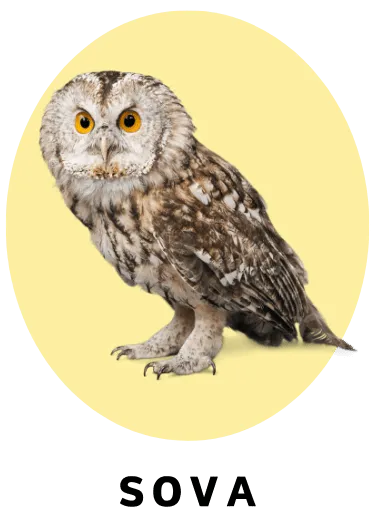
Raising a baby owl
Getting Started with Raising a Baby Owl
When you find a baby owl, first check whether it is injured or has any visible problems. If it is healthy but too young to survive on its own, your task will be to provide the right diet and a safe environment.
A baby owl needs a quiet, warm space, such as a box lined with soft material. Keep it in a quiet room, away from noise and other animals.
Feeding a Baby Owl: How Much Should You Feed?
The owl is a strict carnivore, which means it needs a protein-rich diet. Here's what you can use:
Day-old chicks: these are the staple food for young owls. They can be ordered online from breeders of reptile food. An owl must eat food with feathers, fur and bones, both for its crop and for proper development. This is its prey in the wild.
Mice: mice are an excellent source of food.
Beef dipped in water: this is a good alternative as first aid. Dip pieces of beef in water to make them softer and easier to digest.
*How much to feed?*
A baby owl should be fed *3-4 times a day, depending on its size and age. The amount of food should be roughly **10-15% of its body weight* per day. Be careful not to overdo it, as this can cause health problems.
Calcium Supplements: Why Do They Matter?
Calcium is essential for young owls to develop strong bones and feathers. Without enough calcium, an owl can develop serious health problems such as rickets (bone deformities).
How to supplement calcium?
Use Nutrobal (available in pet shops) or Cal Plus (from vets). These products provide enough calcium and other essential nutrients. Add the supplements to the food according to the manufacturer's instructions.
Preparing for Release into the Wild
Reducing contact with people: as the owl grows, reduce contact so that it does not become too dependent on people.
Hunting practice: once the owl is old enough, start offering it live food (such as mice) so that it develops its hunting instincts.
Moving it to an aviary: when the owl is ready for a larger space, move it to an aviary. The aviary should be fitted with a large wooden box to hide in, so that the owl has a safe place to rest. Also make sure the aviary is not in direct sunlight, to avoid overheating and damage to the cornea.
When and How to Release an Owl into the Wild?
The right time for release is when the owl is fully independent and can fly and catch food. Choose a suitable area, such as woodland or fields, where there is enough natural food.
Release procedure: open the cage or aviary and let the owl decide for itself when to leave. Don't force it, as it needs time to adapt.
Owls are released at dusk, because they are active at night.
Conclusion
Raising a baby owl takes patience, attention and knowledge. With the right diet, calcium supplements (such as Nutrobal or Cal Plus) and gradual preparation for the wild, you will give the owl the best chance of a successful return to nature. Remember, the goal is to return the owl to its natural habitat, not to keep it as a pet.
If you have any further questions or concerns about the owl's health, always contact a wildlife expert.