
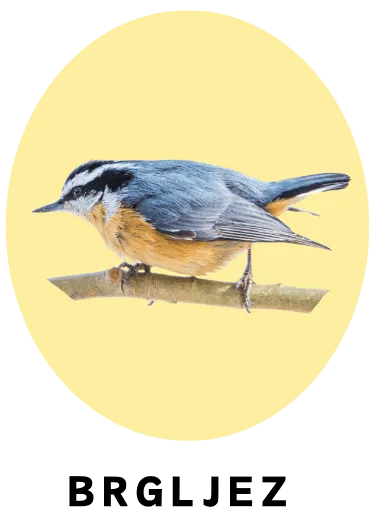
Raising a baby nuthatch
Hand-rearing a nuthatch chick
When you find a nuthatch chick, it is very important to give it the right care and food so that it recovers and is ready to return to the wild. This guide contains all the information you need about the right food, the feeding process, housing conditions and preparing the chick for release. Follow these guidelines to give the chick a successful recovery and a healthy return to its natural habitat.
Ideal housing for a nuthatch chick
A nuthatch chick needs specific conditions to recover and grow successfully. In the first few weeks of life, it is essential to provide a warm and quiet environment. The ideal temperature for chicks of this species is between 30 and 35 °C, and as the chick grows and starts to develop feathers, it can gradually be reduced. For heating, use heaters with safety features or guarded lamps that you can place above the cage or box the chick is in. These devices should be set high enough to avoid any problems with overexposure to heat.
Put the chick in a spacious cage or box lined with dry paper or a soft cloth that will not cause irritation. The cage should be placed in a calm, quiet spot, away from noise and cold air currents. Protect the chick from draughts to prevent its temperature from dropping.
Feeding a nuthatch chick
Insectivore paste, insects and fruit
To feed a nuthatch chick properly, it is best to use a specialised insectivore food (paste) that is rich in all the nutrients needed for healthy growth. Insectivore paste provides a high proportion of protein, vitamins and minerals, which are key to the chick’s health. As well as the paste, you can offer insects and worms as the main source of protein. Insectivore paste can be bought in pet shops. Pink worms (also known as pinker worms) are the larvae of red worms (Eisenia fetida); they are very nutritious and rich in protein, vitamins and minerals, which makes them a perfect addition to the chick’s diet. These worms can usually be found in fishing tackle shops and are used to feed birds, fish and other pets. You can also offer smaller mealworms, grasshoppers and aphids.
A nuthatch chick can also be fed fruit alongside worms. Soft fruit such as apples, pears, blueberries and raspberries is recommended, and you can also offer peaches and nectarines. The fruit should be peeled and finely chopped so that the chick can eat it more easily. You can give banana in small amounts, but avoid too much sweet fruit, as it can cause digestive problems.
Feeding frequency and amount
A nuthatch chick should be fed every 20 to 30 minutes during the day, which means 20–25 meals a day, depending on its age and condition. Night feeding is not necessary if the chick is more than a few days old and stable.
Each meal should contain 500 to 1000 mg of food for younger chicks, while older ones can eat 1500 to 2000 mg per meal. If the chick is fed insects, it can eat 3–5 small worms (e.g. pink worms or mealworms) or a few small grasshoppers per meal.
The food must be at room temperature and easy to digest.
If the chick does not want to eat, wait a few minutes and try again, but do not force it.
Gradually reduce the number of feeds as the chick grows and starts taking food on its own.
Although nuthatch chicks naturally eat insects, they can also start eating small amounts of seeds. At first you can offer them small seeds such as millet or sunflower seeds, but in moderation.
Feeding technique
Use sterile tweezers for feeding. Bring the tweezers close to the chick so that it can take the food easily. Be careful not to put the food too deep into the beak, as the chick may have trouble swallowing. Give the chick enough time to eat, because it is important that it eats at its own natural pace. If you use insects, they should be alive so that the chick has the chance to develop its hunting skills.
Preparing for the wild
Once the chick starts growing feathers and becomes physically stronger, it is time to gradually prepare it for its return to the wild. To prepare it for life in the wild, you need to give it freedom under controlled conditions. Set up a cage or aviary outdoors, where the chick can experience outdoor conditions but is still safe. This process lets the chick get used to its natural surroundings, sunlight and changes in temperature.
Gradually reduce the number of feeds, as the chick will start catching insects and learning to feed from natural sources. This adaptation process will help the chick become independent and ready to return to the wild.
Conclusion
Feeding a nuthatch chick properly is key to its healthy development and its preparation for returning to the wild. Give it the best housing conditions, the right feeding and gradual adaptation to life in the wild so that it can successfully return to its natural habitat. With the right care, the chick will become healthy, strong and independent, ready to return to freedom.