
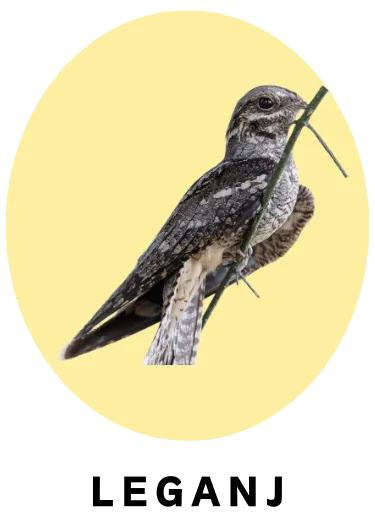
Raising a baby nightjar
How to raise a nightjar chick
The nightjar (Caprimulgus caprimulgus), also known as the goatsucker, is a nocturnal insect-eating bird that is rarely seen because of its exceptional camouflage and secretive way of life. If you have found a young nightjar, proper rearing and rehabilitation are key to its survival and successful return to the wild.
Recognising the chick’s age and assessing its condition
Before you start rearing, it is important to establish what stage of development the chick is at:
Bare or partly downy – very young, needs frequent feeding and extra warmth.
Feathers partly developed – can regulate its body temperature but cannot yet hunt on its own.
Fully feathered but not flying – close to the stage of becoming independent and being prepared for release.
A nightjar chick must not be kept in a cage, because its wings and tail are long and delicate, and being kept in a small space can lead to feather damage and deformities.
Ideal housing conditions
A quiet, darker and warm place – nightjars are nocturnal birds, and stress can cause them health problems.
Soft flooring – cotton cloths or a soft foam mat are best, to prevent damage to its delicate toes.
Heating – if the chick is very young, it needs extra warmth (35–37 °C) from a hot-water bottle wrapped in cloth or a heat pad on a low setting. Older chicks can maintain their own body temperature.
The right diet and feeding
The nightjar feeds exclusively on insects; in the wild it hunts moths, beetles and other large insects. Food for rearing must be as close as possible to its natural diet to ensure its digestive system develops properly.
What to feed:
Live insects – the best options are grasshoppers, crickets, mealworms (Tenebrio), superworms and fly larvae (e.g. maggots used by anglers).
Butterflies and moths – the nightjar’s natural food; they can be collected at night using a light.
Calcium and vitamin supplements – it is essential to add calcium powder (e.g. ground eggshells or a special supplement for insect-eating birds).
Superworms are the larvae of the darkling beetle Zophobas morio; they are very nutritious and often used as food for insect-eating birds and reptiles. They are similar to ordinary mealworms (Tenebrio) but bigger, with a harder cuticle, and they move more slowly. Before feeding, it is recommended to remove the head or crush them lightly so they cannot injure the chick with their strong jaws.
How to feed:
Do not use tweezers! Nightjars take food from the ground or from the air, so food must be offered in a way that lets them take it themselves, or gently placed in the beak.
Simulating natural hunting – you can gently move the insects in front of the chick so it can spot and catch them more easily.
Superworms and mealworms – remove the head or crush them lightly before feeding, as they have strong jaws that can injure the chick.
Avoid artificial mixtures – meat purées, eggs or food for other bird species are not suitable, as they do not contain the necessary enzymes and nutrients.
Feeding frequency:
Very young chicks – every 30–60 minutes, day and night.
Older chicks – every 2–3 hours.
Close to independence – 3–4 larger meals during the night.
The chick must be neither overfed nor hungry – it is important to monitor its weight and behaviour. If it refuses food, it may be ill or stressed.
Preparing for release into the wild
Once the chick starts developing hunting skills, it needs to be prepared for its return to the wild.
Space for flight practice – a large aviary with natural branches and hidden corners will let the chick build muscle and coordination.
Night-time hunting simulation – put live insects into the aviary so the chick learns to hunt on its own.
Avoid too much contact with people – the nightjar must not get used to humans, as this reduces its chances of survival in the wild.
Release should take place at dusk, in a location rich in insects, far from urban areas and predators. It is best to choose a place where adult nightjars have been seen, so the chick has a better chance of survival and may join the wild population.
Conclusion
Raising a nightjar chick requires a specialised diet, a careful approach and suitable housing conditions. The key is to provide natural food sources, minimal human contact and gradual preparation for the return to the wild. With proper care, a nightjar can grow up successfully and return to its natural habitat, continuing its important role in the ecosystem as a nocturnal insect hunter