
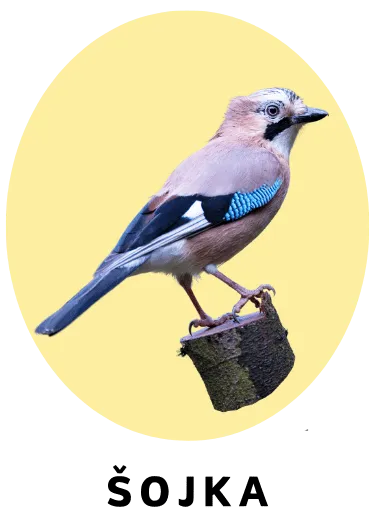
Raising a baby jay
How to Raise a Jay Chick Properly
Have you found a young Eurasian jay chick (Garrulus glandarius) and want to help it? Caring for a baby jay takes attention, patience and knowledge of its needs. In this article we will go through the whole process, from the first day to preparing it for release into the wild, including diet, number of meals and practical tips.
First Steps: What to Do After Finding a Chick
When you find a young jay chick, first check whether it is injured or in danger. If the chick is healthy but cannot fly, it is probably a fledgling that has left the nest. Don't pick it up straight away – its parents are probably nearby and looking after it. If the chick is in danger (e.g. near a road or predators), carefully move it to a safe place. If it is featherless or only half-feathered, it needs your help.
How to Feed a Jay Chick Properly
The diet of a young jay chick is key to its survival. Jays are omnivores, so they need varied food. Here are the basic guidelines:
Types of food:
Insects (fresh-frozen or tinned) – the main source of protein.
Chicken hearts cut into strips – just dip them in water to make them softer and easier to swallow.
Chicken (fresh, cut into small pieces) – also dipped in water to soften it.
Seasonal fruit and berries – e.g. strawberries, raspberries, blueberries in summer, or apples, banana, watermelon. A very young chick should be fed every 1-2 hours during the day. As the chick grows, the number of meals is reduced to 5 a day.
The amount of food depends on the size of the chick. Start with small meals (e.g. 5-10 grams per feed) and adjust according to its appetite. A young bird can eat 50-120 grams of food a day, depending on its age.
Housing and Care
When the chick becomes independent and starts practising flying, it is time to prepare it for release into the wild. Let the chick practise flying in a safe space (e.g. a large room or an enclosed garden).
As the chick becomes independent, reduce contact so that it does not get too used to people.
Choose a natural jay habitat, such as woodland or parks with trees. Release the chick in the morning so that it has enough time to adapt.
Conclusion: The Importance of Acting Responsibly
Hand-rearing a young jay chick is a challenging but rewarding task. Always consult your local wildlife rescue centre if you are not sure of your abilities. Jays play an important role in the ecosystem, so your help is valuable for their survival.