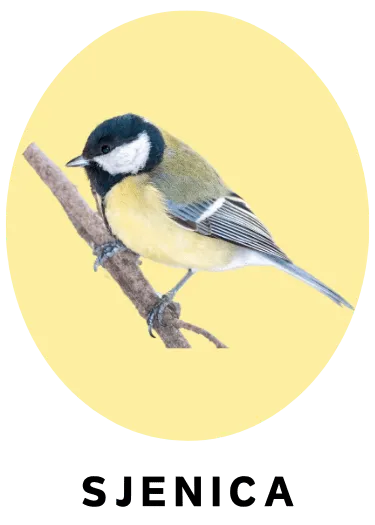
If you have found a baby tit and want to help it, it is important to know what to do. Hand-rearing a chick takes patience, attention and an understanding of its needs. In this article I explain how to feed it, how many meals to give it a day and how to prepare it for its return to the wild.
First Encounter with a Baby Bird:
First of all, check whether the chick is injured or abandoned. Fledgling tits leave the nest before they learn to fly, but their parents feed them nearby. If the chick is naked, blind or cold, it needs help urgently. Keep it warm: create a cosy space with a heat source (e.g. a hot-water bottle wrapped in a towel). Prepare a safe refuge: use a box with ventilation and a soft lining (paper tissues). Avoid contact with people: too much handling can cause stress.
Feeding a Baby Tit:
Tit chicks need food every 45 minutes, 14 times a day. The amount depends on age: First week: 0.5-1 ml per feed (feed a soft mix – ground insects or a specialist hand-rearing formula for chicks). Second week: increase the amount of food per feed, including small insects, spiders or soaked puppy kibble, frozen superworms and mealworms. Never use: eggs, milk or bread – they can cause digestive problems.
Important: use tweezers or a needleless syringe for feeding. Only ever give water once the bird is eating and drinking on its own
Preparing for an Independent Life
When the chick starts growing feathers and shows interest in its surroundings, it is time to prepare it for independence.
Introducing natural food: gradually reduce hand-feeding and leave live insects in a dish for it so that it learns to hunt. Move it into a larger cage with branches for flight practice. Surroundings: keep it in a quiet space with natural elements (leaves, branches) so that it can adapt.
When and How to Release the Chick into the Wild?
The chick is ready for release when it: eats and flies on its own. Shows fear of people (a healthy instinct). Has healthy feathers and body weight*.
Steps for release:
Choose a sheltered area with a source of food and water. Release it in the morning, in sunny weather. For the first 2-3 days you can leave food out in a safe place.
Conclusion:
Hand-rearing a tit chick is a challenging but rewarding process. Don't forget – every animal belongs in nature. If you doubt your abilities, contact the experts at a rehabilitation centre. Your care and effort will allow the chick to return to the wild, where it truly belongs!