
Raising a baby goldcrest
Hand-rearing and rehabilitation of a goldcrest chick
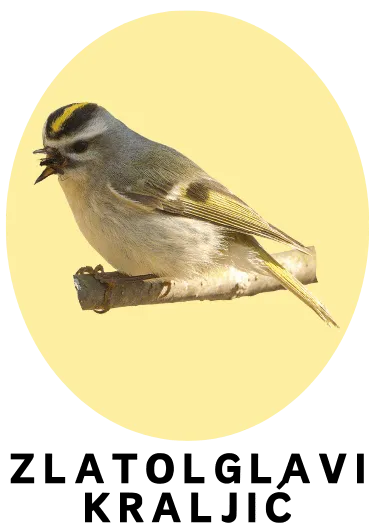
The goldcrest (Regulus regulus) is one of the smallest birds in Europe, known for its vivid yellow-green colouring and the characteristic red cap on its head. If you find a chick of this species, it is important to take the right steps for its rehabilitation and return to the wild. The goldcrest is very sensitive to outside conditions, and proper care includes a nutrient-rich diet, suitable housing and gradual adaptation to the wild.
First steps after finding a goldcrest chick
When you find a goldcrest chick, the first priority is to give it warmth and safety. These chicks are very sensitive to cold, so they need a warm space as soon as they are found. The ideal temperature for a young goldcrest chick is between 28-32°C. If you don't have an incubator, you can use heat lamps, hot-water bottles or heating pads, but make sure the temperature does not get too high. Place the chick in a warm box or incubator, where it will be protected from draughts.
Ideal housing conditions for a goldcrest chick
Goldcrests are tiny birds, so they need housing that makes them feel safe while giving them enough room to develop. In the early stages of rehabilitation, the chick needs a smaller space such as a box or incubator. For bedding you can use paper towels or soft cloths, which keep things clean and comfortable. Cleanliness is paramount for young chicks, as they are susceptible to disease.
When the chick grows up and starts moving around, you can move it to a small cage, keeping safety in mind. Here it will be able to practise flying and build up its muscles, but given the size of the chick, it is important that the space is roomy and safe enough. Try to give the chick as natural an environment as possible, with natural branches or low shrubs that mimic outdoor conditions.
The right diet for a goldcrest chick
Goldcrests are insectivorous birds, which means their diet is based on insects and other small invertebrates. In the early stages of rehabilitation, the chick needs a rich diet that includes high-protein ingredients. Here are some feeding guidelines:
What the meals consist of
Insects – fruit flies, grasshoppers, crickets, larvae
Small invertebrates – aphids, tiny beetles, grubs
Bird food mixes – commercial mixes for insectivorous birds, pellets for insectivorous birds
At first, the chick should be fed 6 times a day, depending on its age and health. Meals must be small, and the food should be soft and easy to digest. Use tweezers to feed the chick, as this lets you place the food in its beak more precisely.
Each meal should be around 2 ml of food, and later you can adjust the amount according to its needs.
Development of the chick and preparing it for release into the wild
As the goldcrest chick grows, its ability to catch insects starts to develop, and feeding can be gradually adapted to its natural instincts. Once the chick starts hunting on its own, you can gradually expose it to the outdoor environment.
Put the chick in a small outdoor aviary so that it can experience outdoor conditions and adapt to its natural habitat. In this environment the chick will learn how to catch insects, fly and practise its skills. It is important that the aviary is in a quiet setting, without too much traffic or noise, so that the chick can develop the independence it needs.
When and where to release a goldcrest chick into the wild
When the chick is fully independent at feeding and flying and shows that it can catch insects, it is ready to return to the wild. Ideally, release the chick during the spring or summer months, when conditions for young birds are most favourable. Goldcrests live in dense woodland, shrubland and gardens.
It is recommended to release the chick in an area close to its natural environment, with enough food and cover. Ideally, choose an area with plenty of shrubs and trees, as well as some sources of water. The chick should be released in the morning, when predator activity is lower and it has enough time to adapt.
Conclusion
Rehabilitating a goldcrest chick requires patience, a carefully balanced diet and the right housing conditions. With the right approach, the chick can grow into an independent bird that will return to the wild. The most important part of the rehabilitation process is gradually introducing the chick to natural conditions and providing a safe environment in which it can develop its abilities. Once the chick becomes independent, it is important to ensure it a safe return to the wild, where it will go on living in tune with the natural rhythm of life.