
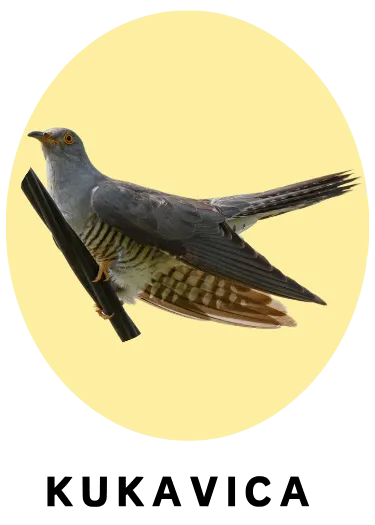
Raising a baby cuckoo
How to raise a cuckoo
A baby cuckoo found outside the nest needs special care to have the best chance of surviving and returning to the wild. Hand-rearing and rehabilitating this bird take patience, the right diet and gradual adjustment to life in the wild.
The right diet for a baby cuckoo
Cuckoos are insectivorous birds, which means they eat only food of animal origin. The best diet for a youngster includes:
Insects and their larvae – mealworms, grasshoppers, worms and flies are an excellent choice.
Minced meat – can be used as a temporary substitute, but always with added vitamins and minerals.
Specialised food for insectivorous birds – if available, it provides an optimal balance of nutrients.
Do not give bread, milk, eggs or seeds – these foods can cause digestive problems and serious health issues.
Feeds should be given every two hours during the day, and the pieces should be small enough for the chick to swallow quickly, but not too much at once, to avoid choking. Each feed should be roughly the size of the youngster's head, i.e. until it stops opening its beak and no longer shows signs of hunger. Food is best offered with tweezers or a thin brush.
If you suspect the insects may contain parasites, you can blanch them briefly in hot water and then let them cool before feeding. However, whenever possible it is best to use fresh or live insects, because they stimulate the natural hunting instinct.
Keeping it warm and housing conditions
Baby cuckoos need constant warmth, especially in the first weeks of life. Ideal conditions include:
A warm incubator or a box with a hot-water bottle lined with soft fabric to prevent injuries.
A temperature of 30–35°C in the first week, gradually lowered as the bird grows.
A dark, quiet environment, similar to a natural nest, to reduce stress.
As the cuckoo grows, its housing should be adapted to allow it to move freely and strengthen its muscles.
Preparing for release into the wild
The aim of hand-rearing is not just survival but proper preparation for an independent life in the wild. The adjustment process includes:
Reducing contact with people – as soon as the bird starts taking food by itself, move it to an outdoor aviary so it gets used to natural conditions.
Offering live food – the cuckoo must learn to catch insects before it is released.
Gradually reducing hand-feeding – to encourage it to look for food on its own.
The release should take place in a safe area with enough natural food sources and shelter. The ideal time is early morning or late afternoon, when temperatures are milder and the bird has enough time to settle in before nightfall.
Conclusion
Raising a baby cuckoo takes knowledge and dedication, but with the right approach you can make sure it returns to the wild successfully. By providing the right diet, warmth and gradual adjustment to the wild, you allow it to develop the instincts it needs for an independent life.
Hand-rearing animals is not just about feeding them and housing them temporarily; it is a fundamental step towards their health and a successful return to the wild. When we talk about hand-rearing, it is essential to understand that its goal is not only to care for injured or weakened animals, but to ensure their full rehabilitation so they can live in their natural environment again.