
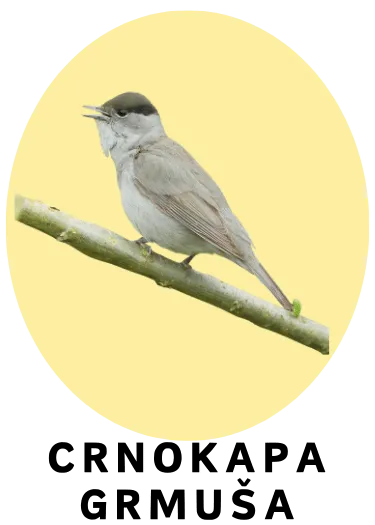
Raising a baby blackcap
Raising a baby warbler: from finding it to releasing it
The young warbler (Sylvia spp.), known for its melodious song and subtle beauty, is often found in our gardens and woods. If you find a young warbler that has fallen out of the nest, proper hand-rearing and preparation for its return to the wild are key to its survival. Here is a detailed guide to raising a baby warbler, from the moment you find it until its release.
Finding a baby warbler
When you find a young warbler, it is important to assess its condition straight away.
Assessing its condition
- Checking for injuries: Examine the chick for possible injuries to its wings, legs or body. If it is injured, contact an expert in wild birds.
- Determining its age: Young warblers usually have soft, fluffy down and are clumsy when they move.
Providing a safe space
- Warm, safe housing: Put the chick in a box lined with soft materials such as cotton or fabric.
- Protection from stress: Keep the chick in a quiet, calm place, away from draughts and pets.
What to feed a baby warbler
Warblers are insectivorous birds, and their diet is based on insects and fruit. The right diet is key to their growth and development.
Initial feeding
- Type of food: Warblers need small insects such as small worms, flies and grasshoppers; substitutes can include specialised insectivore pellets.
- Added fruit: Small pieces of fruit such as apple or pear can supplement the diet.
- Amount of food per feed: Each warbler should eat 0.5–1 gram of food per feed, depending on the size and age of the chick.
Feeding frequency
- Young chicks: Feed the chick every 2 hours during the day.
- Older chicks: As the chick grows, feeds can be reduced to every 3–4 hours, but with larger amounts of food.
Hydration
- A safe way to hydrate: A drop of water on the tip of a pipette can be offered to the chick if it is dehydrated, but avoid pouring water straight into the beak because of the risk of choking.
Preparing for release into the wild
A young warbler must be ready for life in the wild before it is released. This includes developing the ability to fly and adapting to its environment.
Developing flying skills
A safe space to practise: Put the chick in a spacious aviary with twigs on which it can practise hopping and flying.
Gradually strengthening its muscles: Let the chick develop its wings through short flights inside the aviary.
Adapting to the environment
- Exposure to natural conditions: Prepare the chick for outdoor conditions by gradually exposing it to sun, wind and various sounds of nature.
- Preparing to find food in the wild: Before release, the warbler must recognise natural food such as insects and fruit. Raising a baby warbler takes attention, patience and the right diet so the chick is ready to return to the wild.
- An aviary with natural elements: Put the warbler in a spacious aviary with branches, leaves and small bowls of food hidden in natural materials such as moss.
- Exposure to natural insects: Release small insects such as ants, grasshoppers or fruit flies inside the aviary so the warbler can learn to hunt. Hide insects (live or dried) in leaves or cracks in bark so the warbler develops its ability to explore. Gradually remove easily accessible food sources, such as bowls, so the bird is motivated to look for food in its surroundings.
Releasing a baby warbler into the wild
When releasing a warbler into the wild, it is important to choose the right time and place so the chick has the best chance of survival.
Choosing a location
- A safe, natural habitat: Choose an area with plenty of shrubs and low vegetation, where the warbler can find shelter and food.
- Avoiding danger: The release site should be away from roads, pets and predators.
Weather conditions
- The ideal time: The release should take place in the morning or during a calm part of the day, in favourable weather without strong wind or rain.
Conclusion
Raising a baby warbler takes attention, patience and the right diet so the chick is ready to return to the wild. By providing safe food, space to develop and preparation for natural conditions, a young warbler can successfully return to its natural habitat.