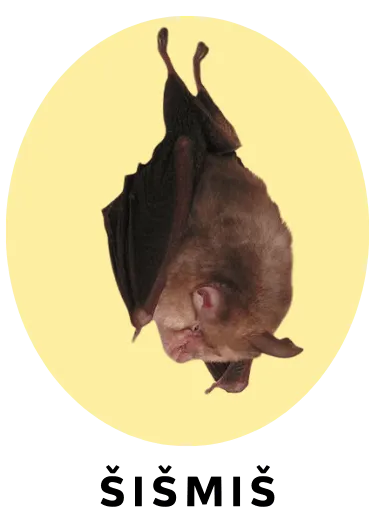
If you have found a baby bat, your care and patience are key to its recovery and return to the wild. This article brings together the essential steps, feeding recommendations and preparation for release, so that you can provide the best possible conditions for this protected mammal.
Finding a Baby Bat
The first step is to check its condition. If the bat is injured or looks exhausted, contact wildlife experts or a vet immediately. If it is healthy but too young to live on its own, prepare a temporary shelter for it: Use a box with ventilation holes and a soft cloth. Keep the box in a warm place (25–30°C), away from noise and direct light.
How to Raise a Bat Properly?
The first 24 hours are critical. Bats are sensitive to stress, so make sure they have peace and quiet. If expert help is not available, follow these steps:
Creating a Suitable Habitat Place a heater or a hot-water bottle wrapped in a cloth in the box (avoid too much heat). Choose soft materials such as fleece or cotton for bedding. Keep the humidity at around 50–60% (you can put a bowl of water next to the box).
Feeding
Baby bats feed on specialised milk. The substitute food must be as close as possible to the natural one: Kitten or puppy milk is recommended (available in pet shops). Never use cow's milk! Feed every 2 hours, including during the night. Amount per feed: 0.5–1 ml of milk, depending on the size of the bat. Use a syringe or a dropper.
Important: Never feed a bat on its back – hold it upright to prevent it from aspirating fluid. After every feed, gently massage its tummy with a damp cotton ball to stimulate digestion.
Preparing for Release
Once the bat becomes independent (usually after 4–6 weeks), it needs to be prepared for its return to the wild:
Once the bat becomes independent (usually after 4–6 weeks), it needs to be prepared for its return to the wild:
Introducing solid food Gradually introduce insects (moths and other insects) into its diet. Use tweezers so that the bat learns to catch prey.
Flight Practice
Let it fly in a controlled space (e.g. a room with no dangerous objects). Keep an eye on its abilities – if it cannot fly, it needs further care.
Choosing the Right Time for Release
Release the bat on warm nights (above 15°C), when there are enough insects to feed on. Choose a quiet area with water sources and woodland.
Note
If the bat shows no progress, contact experts or a wildlife rehabilitation centre.
With patience and proper care, you will give the bat a second chance at life in the wild. 🦇