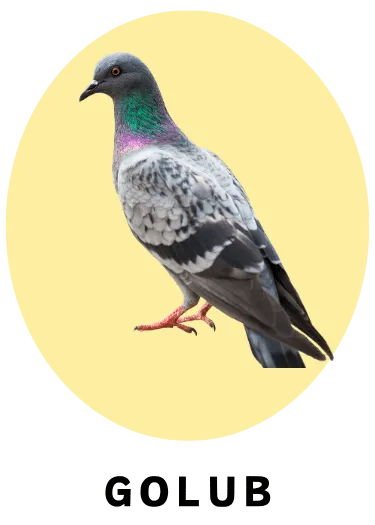
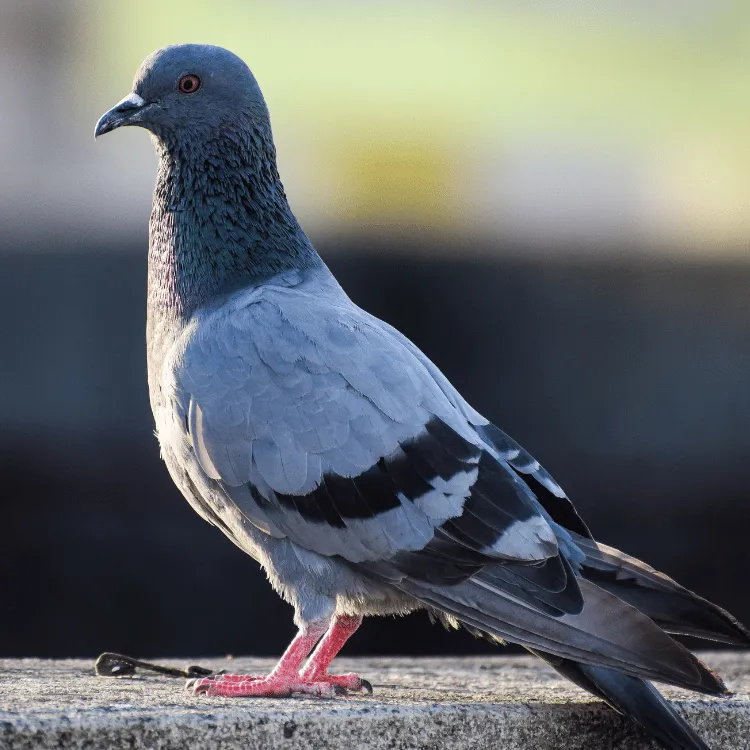
The rock dove (Columba livia) is a bird found all over the world that symbolises peace, freedom and fidelity. Although it is best known in towns and cities, the pigeon also lives in a variety of habitats, from mountain regions to coastal areas. Thanks to its adaptability to different conditions, the pigeon can be found in almost every part of Croatia, living in towns, in fields and along rivers.
Rock dove (Columba livia)
Pigeon species and their distribution in Croatia
The best-known pigeon species in Croatia is the rock dove or feral pigeon (Columba livia), which is widespread in urban areas. However, other pigeon species also occur in Croatia, such as the hill pigeon (Columba rupestris) and the stock dove (Columba oenas), which live in forests and mountain areas. Pigeons are very adaptable birds, so they can be found in almost every part of Croatia, although they are especially common in larger towns, where they find suitable habitat.
Pigeon habits and behaviour
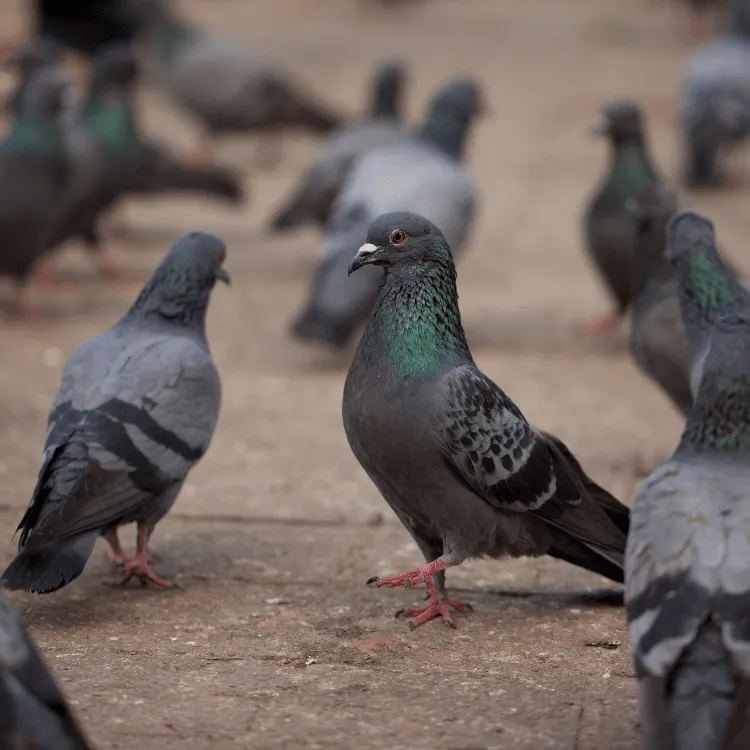
Pigeons are known for being very sociable birds that often gather in groups, especially in urban areas. They usually live close to human settlements, where they look for food, shelter and nesting sites. Pigeons are very adaptable birds that quickly get used to human activity, and they can be found in parks, squares, on buildings and on bridges. In the wild, pigeons also seek out high cliffs or trees that allow them to nest safely. Pigeons feed on various kinds of food, including seeds, grain, wheat and fruit, as well as food scraps in urban areas. Pigeons are known to form large groups to search for food, and sometimes they even migrate, depending on conditions. In the wild, pigeons prefer favourable conditions such as fertile plains and riverbanks.
Nesting and family life
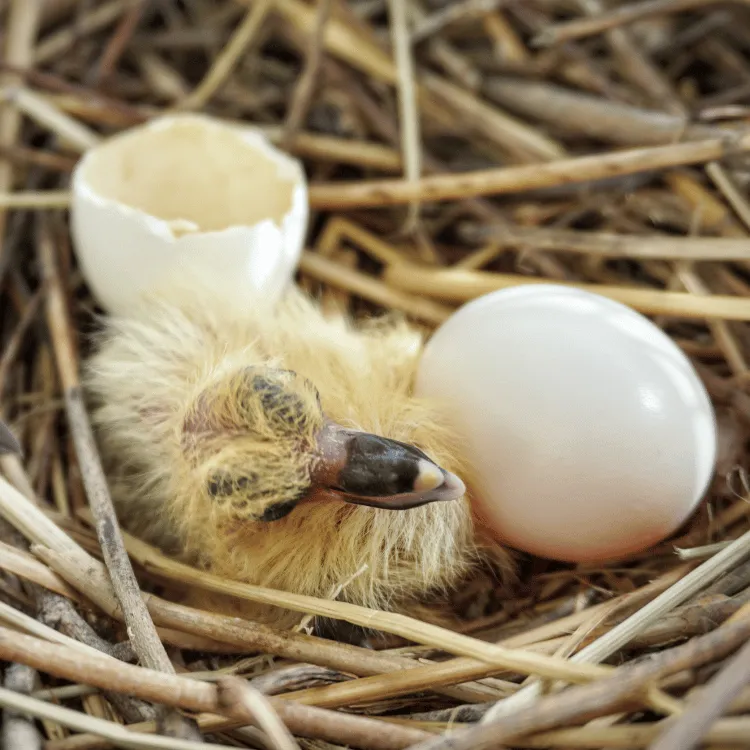
Pigeons nest high up, on cliffs, in tree hollows or on buildings and other structures in urban environments. A pigeon’s nest is usually simple, made of twigs, leaves and other plant material. Pigeons are monogamous, which means they pair for life. The female usually lays two eggs, and both parents share the incubation, which lasts about 18 days. The chicks hatch after this period, and both parents feed them with the milk they produce during incubation. Young pigeons grow quickly and leave the nest after a few weeks, but stay nearby to learn how to fly and find food. Pigeons usually raise several broods a year, and in urban conditions they may have even more broods thanks to the constant availability of food and safe nesting sites.
Lifespan
Pigeons in the wild usually live for around 3 to 5 years, but many do not reach this age because of predators, accidents or the dangers of urban life. In controlled conditions, such as zoos or specialised facilities, pigeons can live longer, even up to 15 years. However, many pigeons in towns do not reach such an age because of accidents, disease or predators such as cats and birds of prey.
Facts and research
Pigeons are known for their incredible ability to navigate, which is why they were used to carry messages in times gone by. Research has shown that pigeons use a combination of magnetic fields, sunlight and memory to find their way. Pigeons also have an exceptionally well-developed sense of direction, which allows them to return to their nest from great distances. Because of this ability, pigeons were used in the past for military purposes, and their role in carrying messages was irreplaceable. Pigeons are also very intelligent birds that can learn simple tasks, recognise objects and even recognise faces. Research has shown that pigeons can understandbasic abstract concepts and learn from experience, which makes them one of the most intelligent bird species.
The ecological role of pigeons
Pigeons play an important role in the ecosystems they inhabit. They help spread plant seeds, contributing to the natural regeneration of plant species. Pigeons are also prey for various predators, including birds of prey, wildcats and other carnivores. In this way, pigeons play an important part in maintaining the balance of both natural and urban ecosystems.
Conclusion
Pigeons have long been a symbol of peace, freedom and fidelity. They can adapt to different living conditions, so we find them in towns as well as in natural habitats throughout Croatia. Their habits, including their navigational ability and intelligence, make them fascinating and useful inhabitants of our surroundings. Through their ecological role, pigeons help maintain the balance of nature, and their presence in towns enriches everyday life.