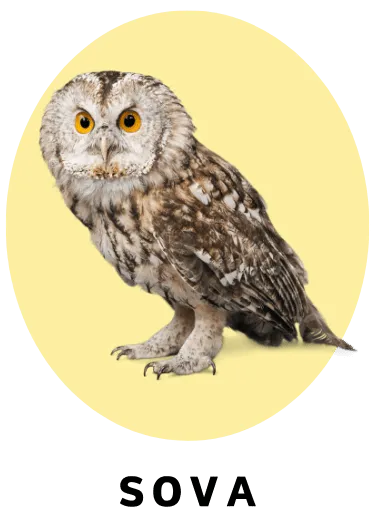
Owls are a symbol of wisdom, mystery and silence, and their presence in the night-time landscape inspires admiration and awe. Of the many owl species that live in our part of the world, the best known are the long-eared owl (Asio otus), the Eurasian scops owl (Otus scops) and the tawny owl (Strix aluco). Whatever the species, these nocturnal birds of prey share several traits that make them special.
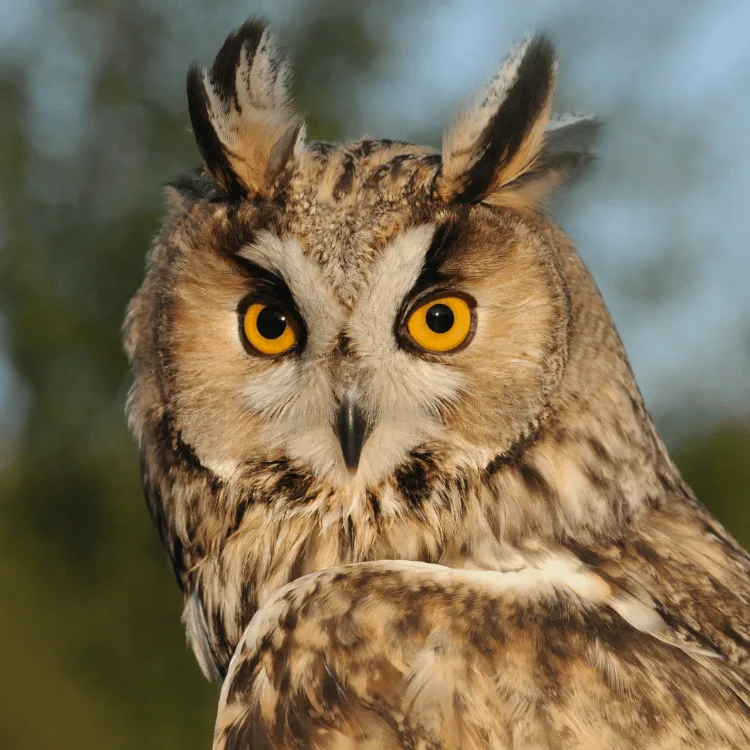
Long-eared owl (Asio otus)
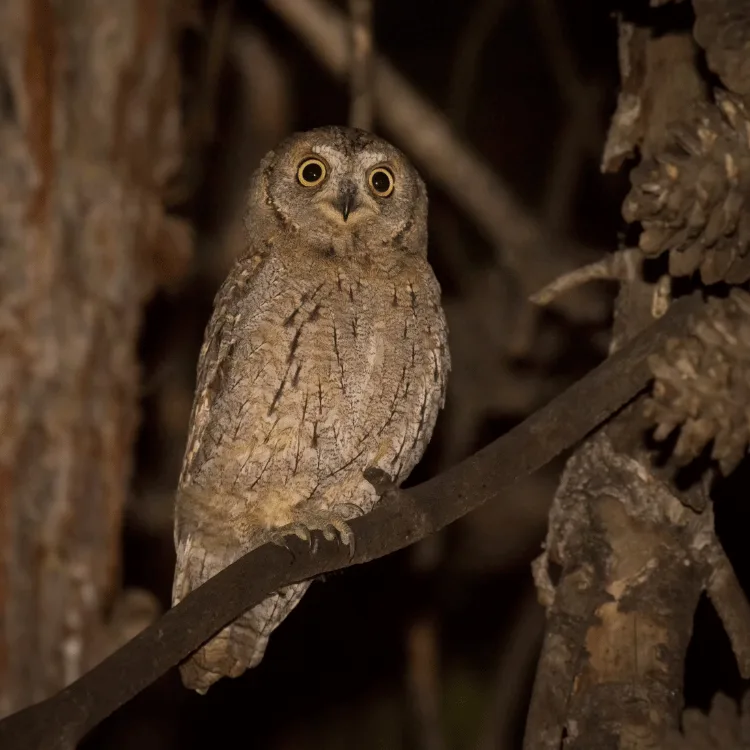
Eurasian scops owl (Otus scops)
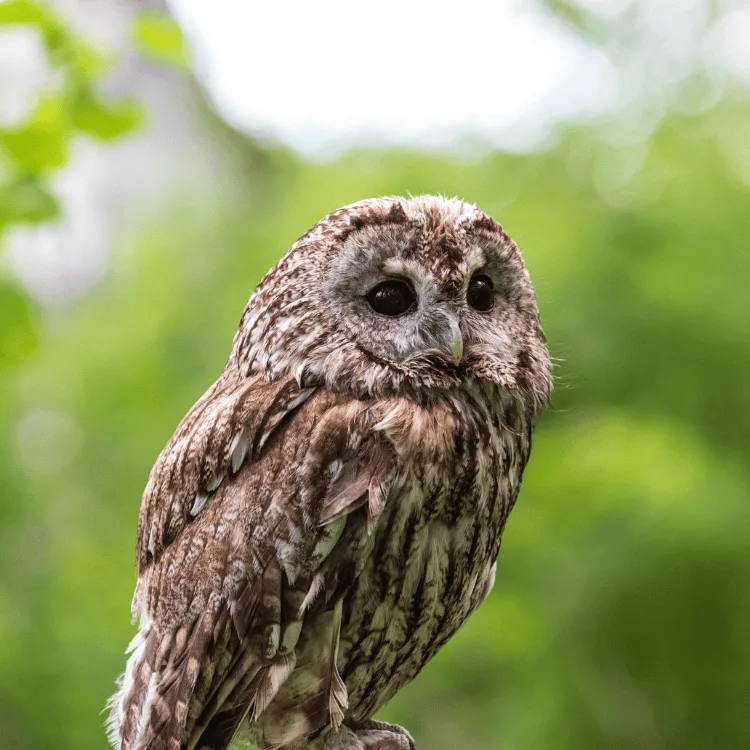
Tawny owl (Strix aluco)
Physical adaptations to life at night
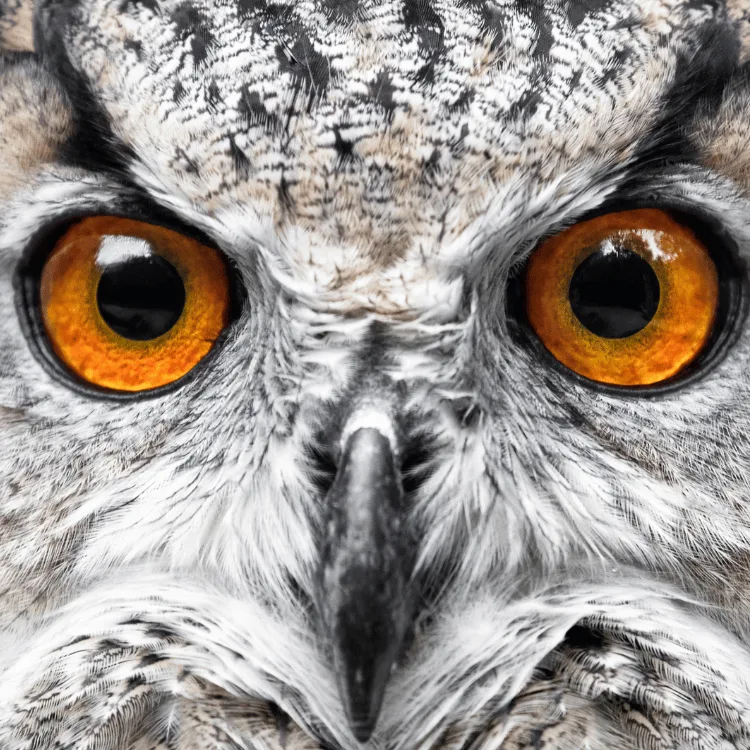
Owls are masters of adaptation to life at night. Their eyesight and hearing are exceptionally well developed, allowing them to hunt in complete darkness. An owl’s eyes are set at the front of the head, which gives it excellent binocular vision. However, unlike most birds, owls cannot move their eyes. Instead, they can rotate their heads by as much as 270 degrees, which gives them a wide field of view.
Silent flight and hunting prey
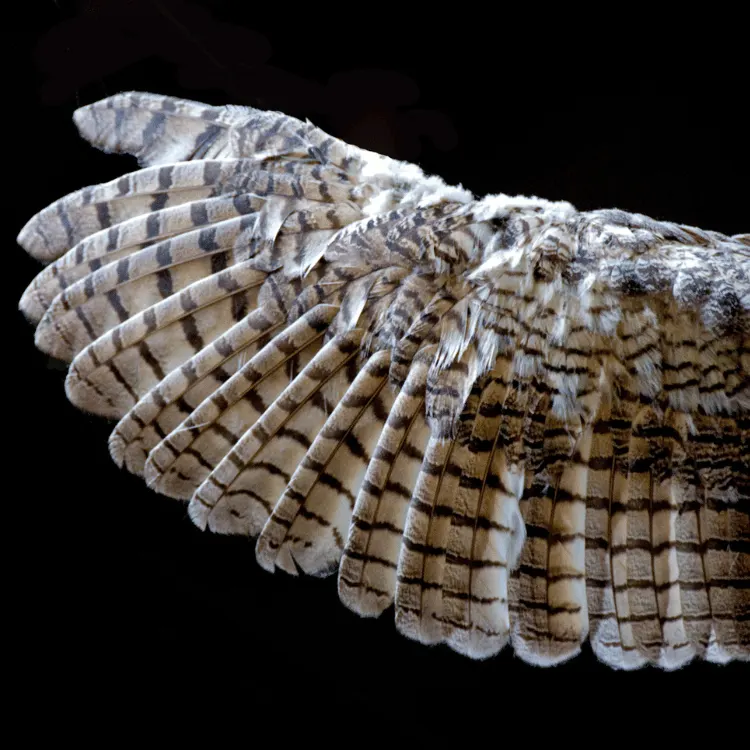
Owl plumage has a special adaptation – their wings are almost silent thanks to the fine, fringed edges of the feathers, which allows them silent flight and lets them take prey by surprise. Owls feed mainly on small mammals such as mice and voles, but they can also hunt birds, insects and, in some species, even fish.
Owl calls: communication and territory
Owls are known for their calls, from the deep hooting of the tawny owl to the soft song of the Eurasian scops owl. These sounds serve not only for communication but also for marking territory. Each owl species has a characteristic call that helps it interact with its partner or with other owls.
Nesting and caring for the young
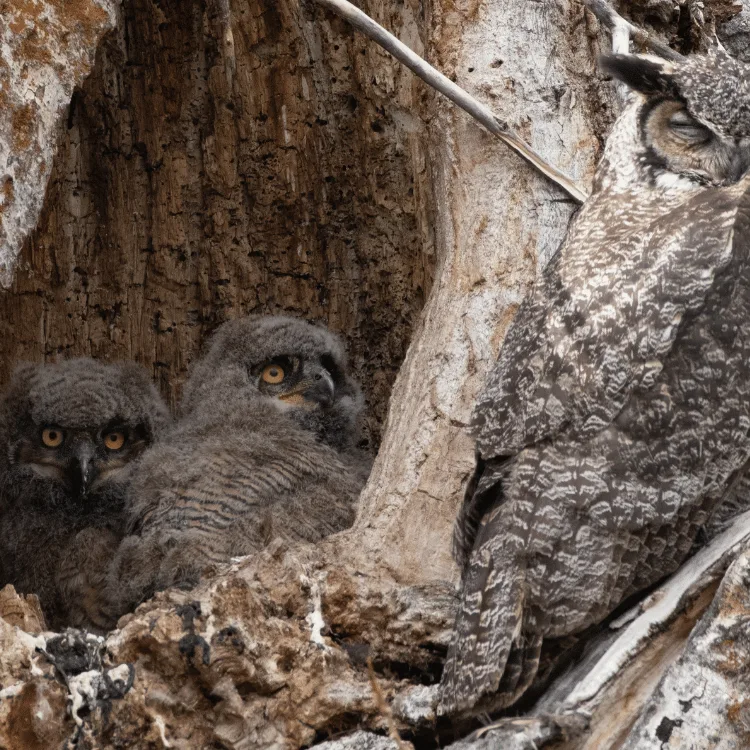
Owls nest in old tree hollows, in the abandoned nests of other birds and sometimes in buildings such as attics or ruins. The female lays 2–6 eggs, depending on the species, and both parents care for the young. Young owls often leave the nest early but stay close to their parents until they learn to hunt on their own.
Threats to owls and their conservation
Unfortunately, many owl species face threats from habitat loss, the use of pesticides and road deaths. People often wrongly believe that owls are a bad omen or bring misfortune, which has led to their persecution in the past. Owls are an important factor in controlling populations of rodents and other pests, which makes them key members of the ecosystem.
Interesting facts about owls
Owls have many fascinating features that make them unique:
Silent flight: owls’ wings are almost silent thanks to the special structure of their feathers.
Head rotation: owls can turn their heads by as much as 270 degrees, giving them a wider view.
Locating sounds: owls’ ears are set at different heights on the head, which allows them to pinpoint their prey.
Three eyelids: owls have three eyelids – one for blinking, one for sleeping and a third, transparent one that protects the eyes while hunting.
Camouflage: the colour and pattern of owl plumage often mimic tree bark or leaves, helping them hide from prey or predators.
Symbolism and cultural significance of owls
Owls are often associated with wisdom and mystery. In ancient Greece the owl was the symbol of the goddess Athena, and in many cultures around the world owls are seen as symbols of supernatural events or change. Owls also appear frequently in mythology, stories and films, where they play a key role in the symbolism of the night.
Conclusion: protecting owls and nature
Owls are much more than night birds – they are a symbol of balance in nature and a reminder of the mystery and beauty of the wild. Watching these fascinating birds in their natural habitat reminds us of the importance of nature conservation. If you would like to help owls, you can put up nest boxes or help protect the old forests and trees they use for shelter.