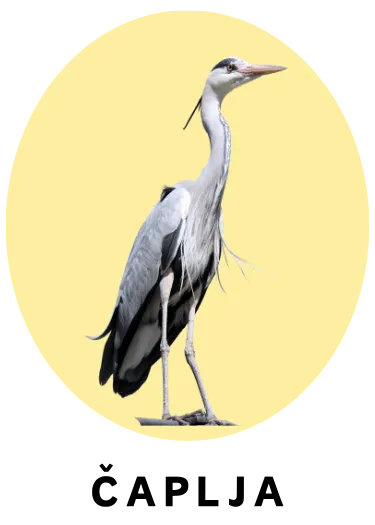
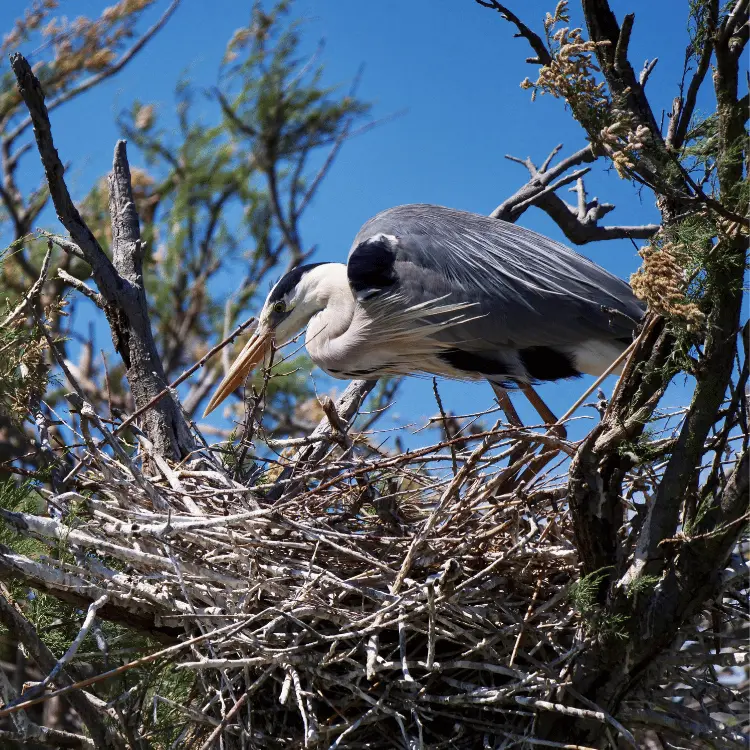
The grey heron (Ardea cinerea) is one of the most elegant birds living in wetlands and coastal areas. This large bird is recognisable by its long legs, slender neck and incredible patience when hunting. In many cultures it symbolises silence, patience and caution, reflecting its calm and deliberate way of life.
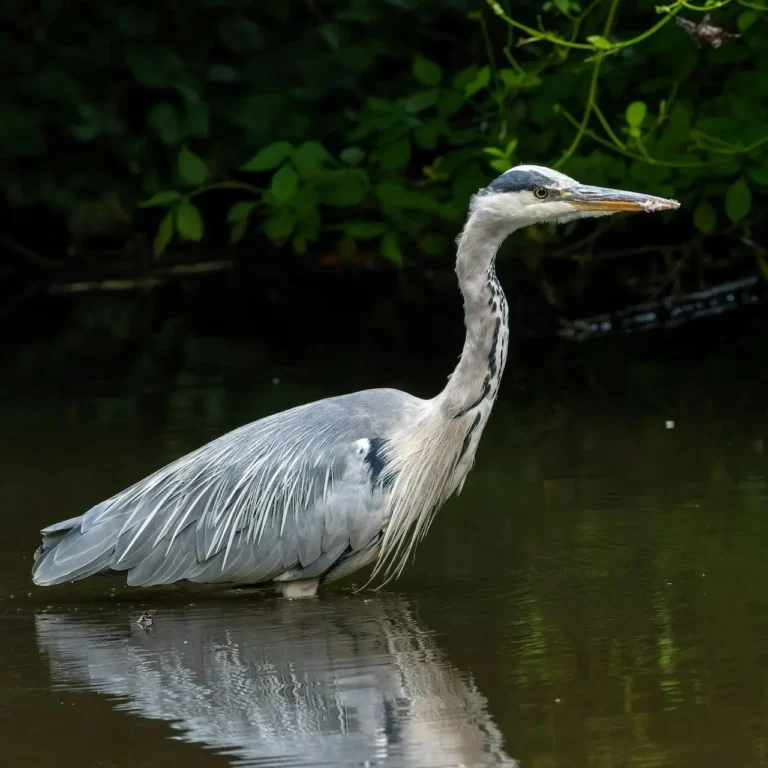
Grey heron (Ardea cinerea)
Heron species in Croatia
The best-known heron species in Croatia is the grey heron (Ardea cinerea), which is also the most widespread in Europe. Besides this one, the black-headed heron and the little bittern can occasionally be seen in Croatia.
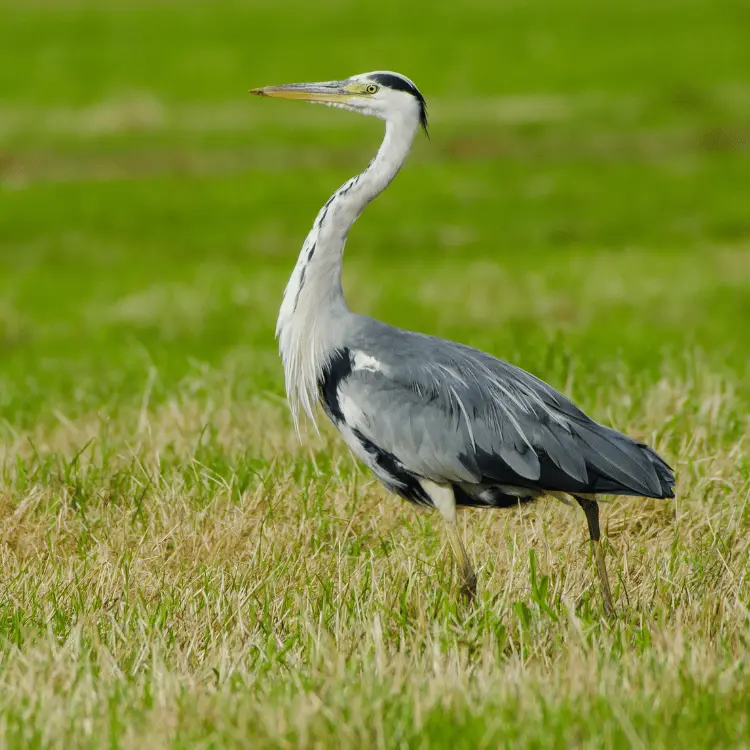
Black-headed heron (Ardea melanocephala)
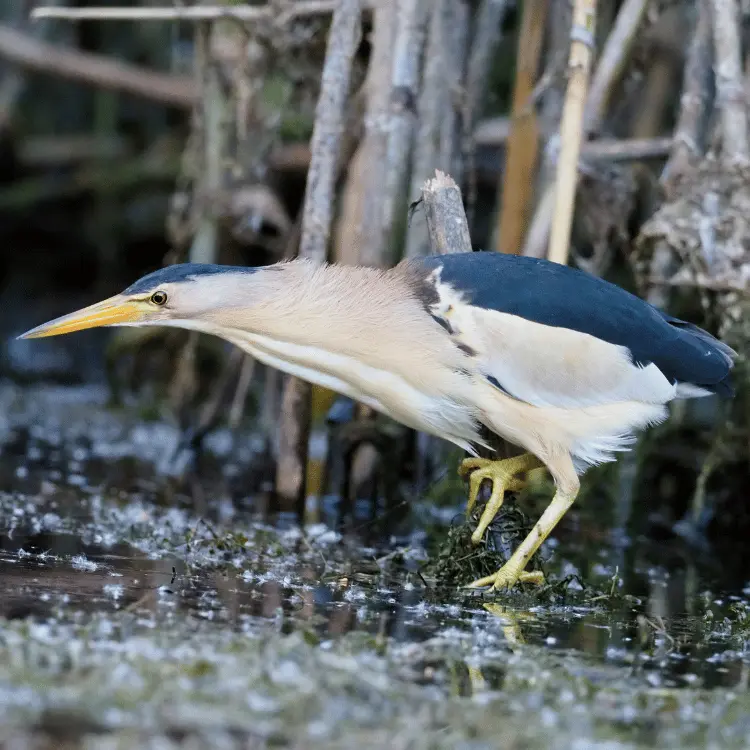
Little bittern (Ixobrychus minutus)
Habitat and distribution
Herons prefer wetlands, areas along rivers and lakes and also sea coasts. In Croatia they are most numerous in:
the Neretva River delta
the Drava River area
Baranja and other eastern parts of the country.
They nest in tall trees or in dense shrubs, which give them protection from predators.
Diet
The heron spends most of its time in the water, where it feeds, rests and hunts. Its diet includes:
Fish
Aquatic insects
Amphibians
Small mammals and occasionally other small animals.
How it hunts
The heron is known for its particular hunting style: it stands motionless in the water with its neck stretched out and its long legs, waiting for prey to come close enough. Then it quickly catches it with its long, sharp beak.
Although they usually hunt alone, herons sometimes gather in small groups during migration or at shared feeding grounds.
Heron migration
Migration depends on food availability and temperature. European herons move to warmer regions in winter, most often to Africa, and return to their habitats in spring.
Nesting and family life
Herons are monogamous birds, which means pairs often stay together for several years and sometimes for life. They build their nests in tall trees or in shrubs, and both parents help with building.
Nesting
The female lays 3 to 5 eggs.
Incubation lasts 25 to 30 days, and both parents take part.
The chicks stay in the nest and are fed fish brought by their parents.
After a few weeks, the young are ready for their first flight.
Behaviour
The grey heron (Ardea cinerea) is one of the most elegant birds living in wetlands and coastal areas. This large bird is recognisable by its long legs, slender neck and incredible patience when hunting. In many cultures it symbolises silence, patience and caution, reflecting its calm and deliberate way of life.
Heron facts
Migration: Scientists have found that herons can travel thousands of kilometres during migration in search of favourable conditions.
Hunting: Their hunting technique relies on patience and speed of reaction.
An indicator of environmental quality: A drop in heron numbers in a particular area often points to changes in the ecosystem.
The ecological role of herons
Herons play a key role in maintaining the balance of populations of aquatic organisms. Their diet contributes to controlling fish numbers and thus to keeping aquatic habitats healthy. Herons also contribute to the stability of fragile wetland ecosystems.
Conclusion
The heron is a symbol of natural balance and an indicator of healthy aquatic ecosystems. Despite threats such as habitat loss and climate change, this elegant bird continues to fascinate with its way of life and hunting. Protecting herons and their habitats is essential for preserving the biodiversity of our wetlands.