Carduelis chloris – the European greenfinch: a woodland bird
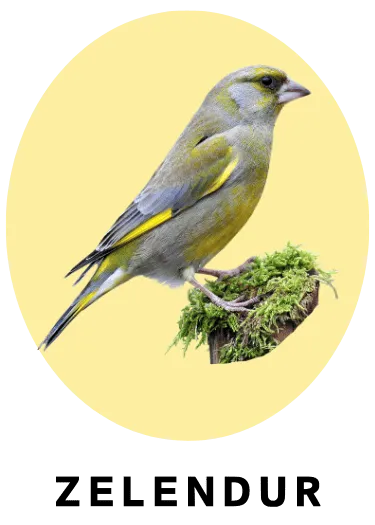
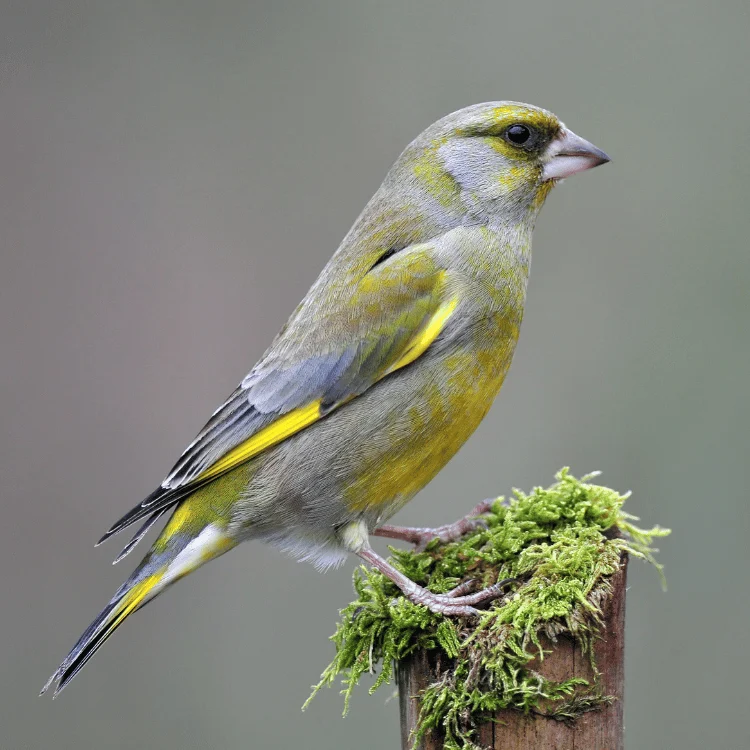
Carduelis chloris, also known as the European greenfinch, is a songbird recognisable by its vivid greenish-yellow plumage and strong beak. This adaptable species can often be seen in gardens, parks and forests across Europe and Asia.
European greenfinch (Carduelis chloris)
Appearance and distinctive features
Plumage – the greenfinch has a distinctive olive-green colour, with bright yellow tones on the wings and tail. Size – an adult greenfinch grows to 14–16 cm, with a wingspan of about 25 cm. Weight – on average it weighs 25–30 grams. Beak – short but strong, adapted for cracking seeds.
Habitat and distribution
The greenfinch lives in a wide range of habitats, from open deciduous woodland and the edges of thickets to town gardens and parks. It is most common in Europe, western Asia and North Africa. It spends the winter in warmer regions, while populations from colder areas move south. Greenfinches like open spaces with trees, where they find food and safe nesting sites.
Diet and feeding habits
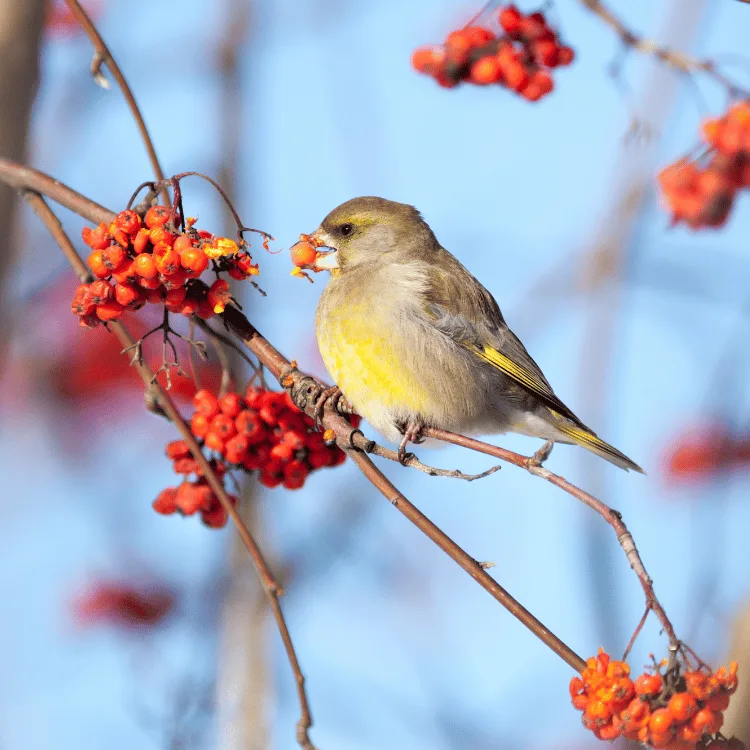
Greenfinches are mainly seed-eaters, and their diet consists of seeds, buds and fruit.
Favourite foods – sunflower, beech and maple seeds and the seeds of wild grasses.
Autumn and winter – during these seasons they adapt their diet and eat berries and small fruits.
In summer they sometimes eat insects, especially when they are feeding their young
Thanks to its strong beak, it easily cracks hard seeds that many other birds cannot get at.
Breeding and caring for the young
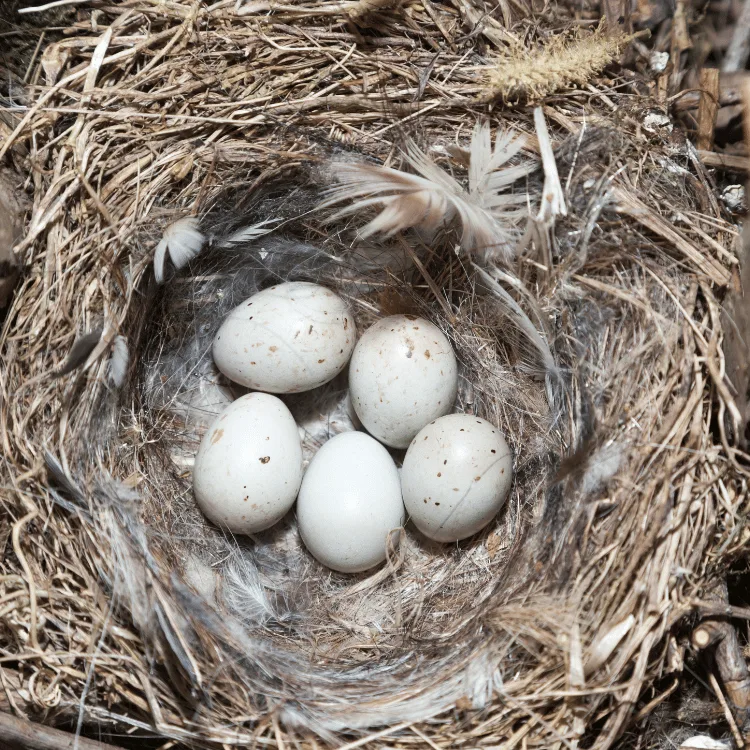
The breeding season of Carduelis chloris begins in March or April, when males perform spectacular display flights to impress the females. Nest – greenfinches build their nest from dry twigs, grass and moss, placing it in dense shrubs or tree canopies. Number of eggs – the female lays 4 to 6 eggs, which she incubates for about 13–14 days. Chicks – after hatching, the young birds stay in the nest for about 14 days while their parents feed them.
Behaviour and communication
Greenfinches are sociable birds – outside the breeding season they often gather in small flocks. Song – males have a melodious, moderately loud song, which they use to attract females and mark their territory. Flight – their flight is undulating and energetic, and they can often be seen fluttering quickly through the treetops.
The significance and symbolism of the greenfinch
Like many other songbirds, the greenfinch has a special place in folk beliefs and symbolism. In some cultures it represents good fortune and abundance. Because of its vivid plumage, it is often associated with spring and the renewal of nature. Its presence in gardens is a symbol of a healthy, natural ecosystem.
Threats and conservation
Although Carduelis chloris is a relatively common bird, its population has declined in recent decades due to various factors. Main threats: Habitat loss due to urbanisation and intensive farming. The use of pesticides reduces the availability of natural food. Diseases such as trichomonosis, which are spread at bird feeding stations
How can you help the greenfinch?
Put up bird feeders with good-quality seed, especially in winter. Preserve natural habitats such as copses, shrubland and wild meadows. Avoid pesticides and other chemicals in gardens and on farmland.
Conclusion
The European greenfinch is a beautiful, adaptable songbird whose lively plumage and melodious voice brighten up gardens, parks and forests. Although it adapts well to towns, its population is under pressure because of habitat loss and shrinking food sources. With the right conservation measures, we can help this lovely species continue to grace our landscapes.