The cuckoo – a mysterious bird known for its behaviour
The common cuckoo (Cuculus canorus) is a bird known for its unusual breeding strategy and characteristic call. This bird, which belongs to the cuckoo family (Cuculidae), has inspired many myths and legends, and because of its behaviour it is often associated with a so-called “cuckoo” nature. The cuckoo fascinates scientists and nature lovers alike because it leaves its eggs in the nests of other birds, which makes it one of the most unusual and interesting members of the bird world.
Common cuckoo (Cuculus canorus)
What does a cuckoo look like?
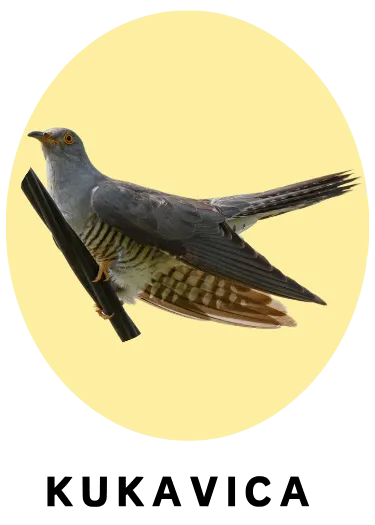
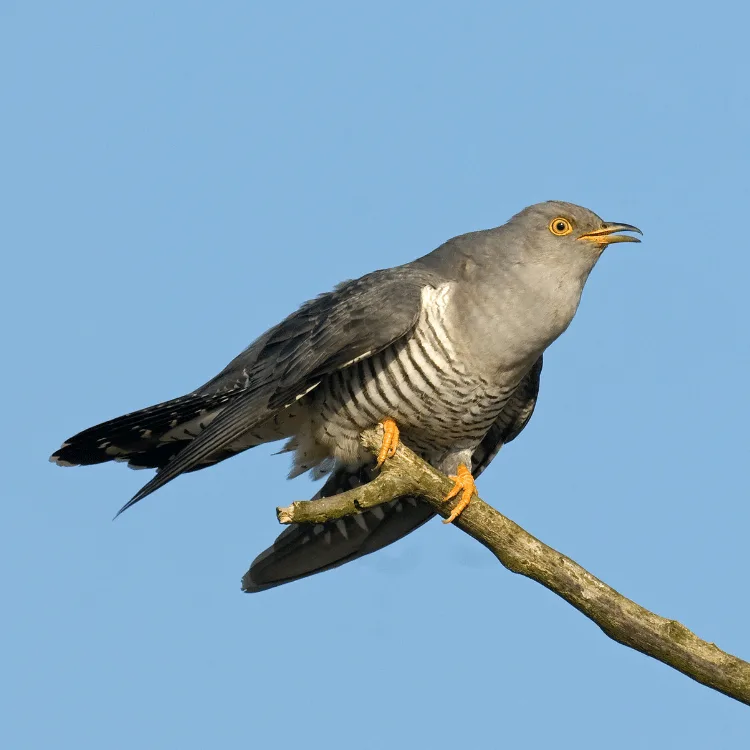
The cuckoo is a medium-sized bird, about 32–34 cm long with a wingspan of 55–60 cm. Although it is not particularly colourful, its appearance is very distinctive, and the bird is easy to recognise by its characteristic body shape and call.
Characteristic physical features
Plumage colour: The upperparts of the cuckoo are usually greyish-brown, while the underparts are paler and marked with dark bars. Bill: A short, curved bill that helps it catch food. Eyes: Large and dark, with a striking ring that gives it an almost mysterious look. Tail: Long and conspicuous, with clear bands. The cuckoo is capable of a long migration: it is known to spend the winter in Africa and come to Europe in summer.
Habitat and distribution
Cuckoos live in a wide range of habitats, including: Woodland, especially near woodland edges and forest paths Meadows and open country Farmland, where there are plenty of homes for their “foster parents” Cuckoos are fairly widespread in Europe, Asia and North Africa, and they migrate to south-eastern Africa for the winter. Since they are known migrants, their presence in a given area often depends on the season.
What do cuckoos eat?
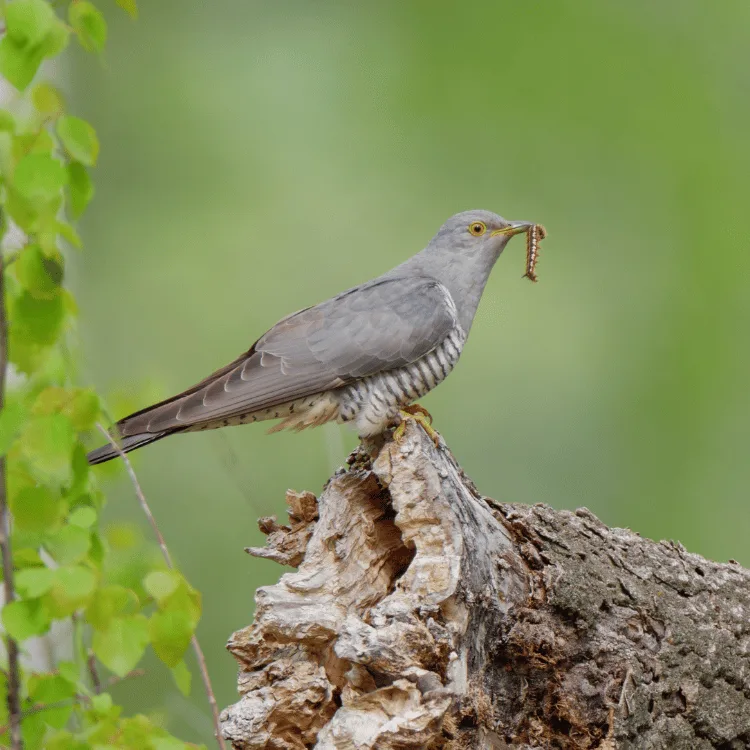
The cuckoo mostly feeds on: Insects (especially grasshoppers and caterpillars) Invertebrates Small arthropods such as spiders and insects Interestingly, cuckoos, which are best known for their breeding strategies, spend much of their lives hunting insects and small invertebrates. Their bill allows them to catch these tiny creatures in flight or on the ground.
Breeding – the cuckoo as a “parasite”
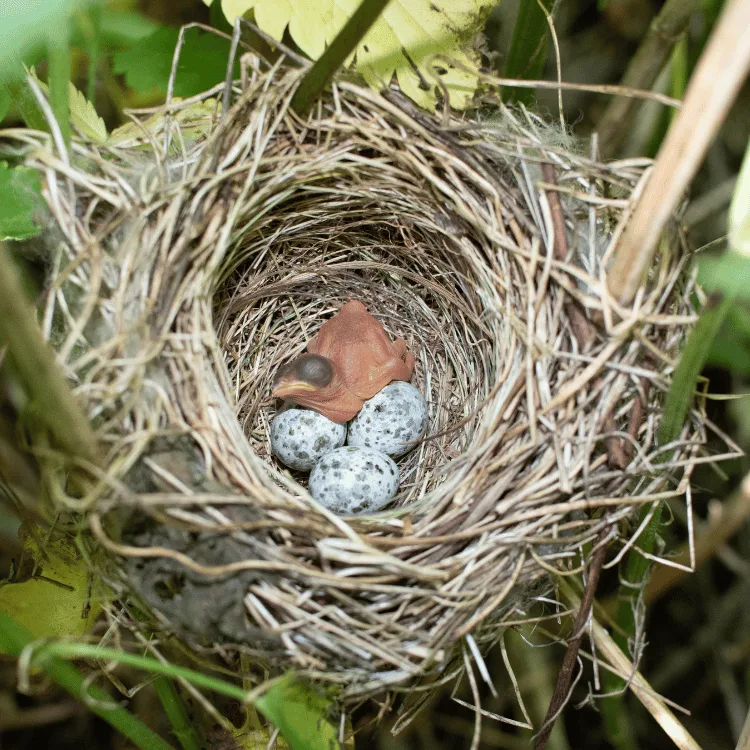
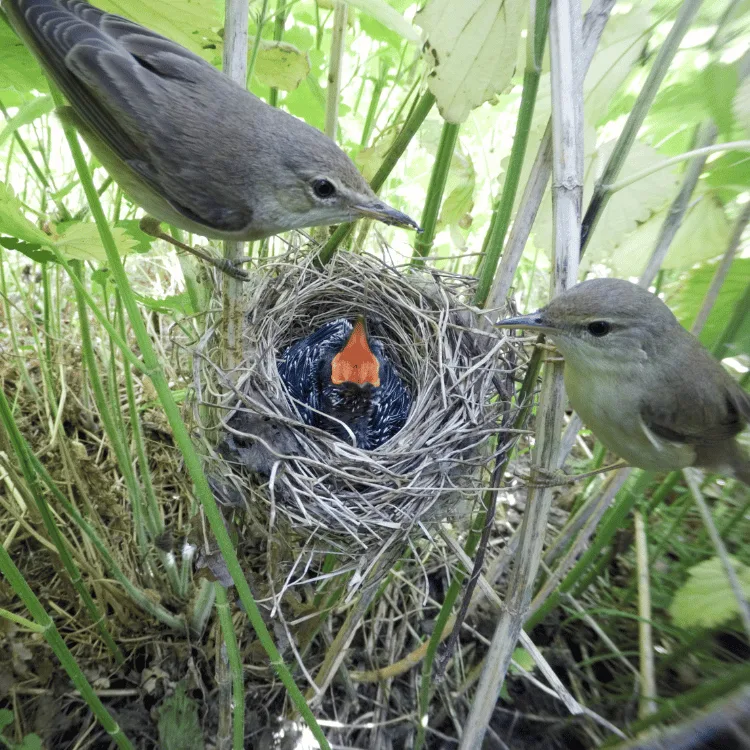
One of the most distinctive and best-known features of cuckoos is their breeding behaviour. The cuckoo is known as a brood parasite, which means that the female cuckoo lays her eggs in the nests of other birds. The female chooses the nests of birds similar to her own species and places her eggs in them, while the adult birds of those other species go on to care for the young.
How the cuckoo lays its eggs
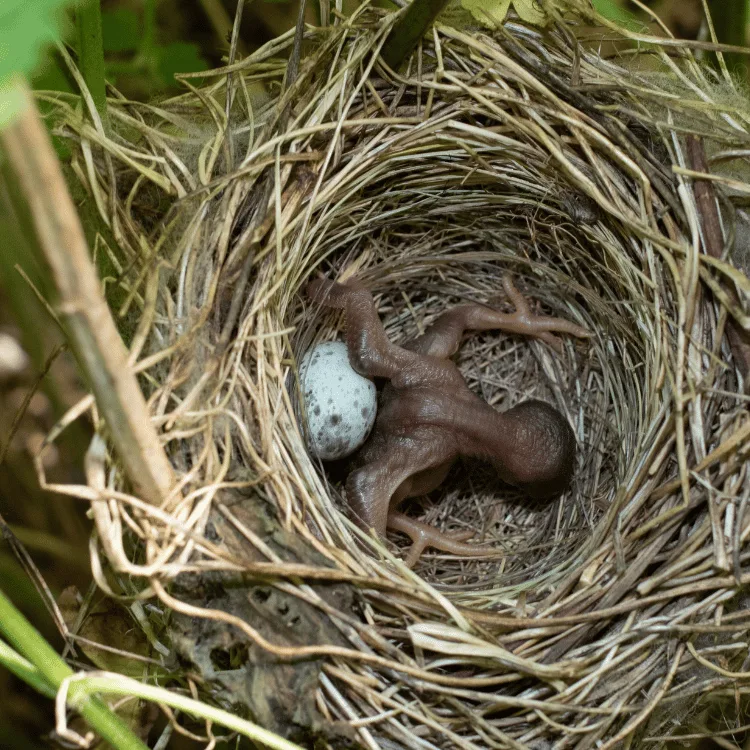
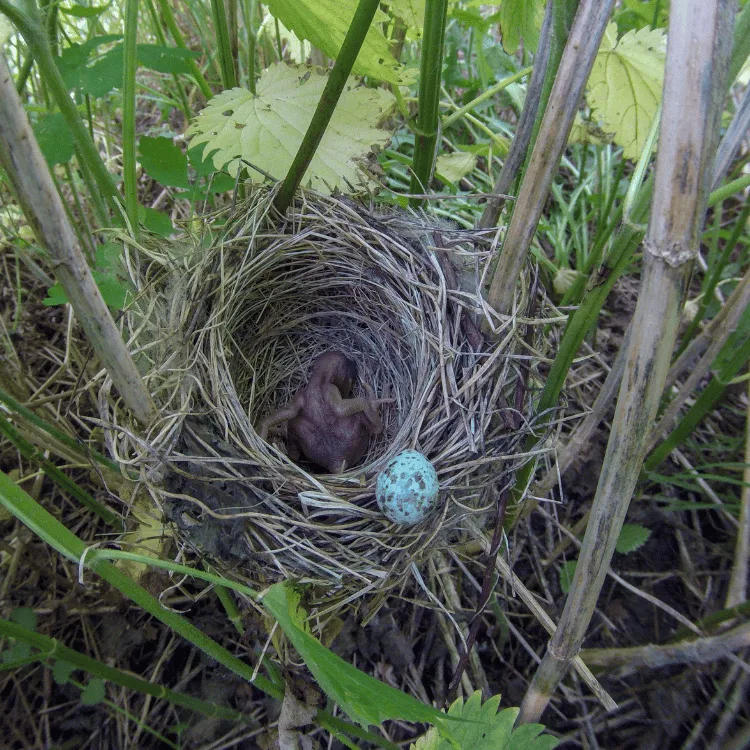
Egg size: Cuckoo eggs are usually slightly larger than the eggs of the host birds. Egg colour and pattern: The cuckoo lays eggs that resemble those of the bird species whose nest it “moves into”. A female cuckoo can lay up to 20 eggs in a season. Care of the young: When the cuckoo hatches, the chick pushes the other eggs or chicks out of the nest and takes the full attention of its “foster parents”. This strategy frees the cuckoo from raising its young, while another bird looks after the cuckoo chick, feeding and rearing it.
The cuckoo’s call
The cuckoo is also known for its characteristic call, which is heard mainly during the spring months. The cuckoo’s call is familiar and easy to recognise thanks to its distinctive, repeated “cuck-oo” sound, which gave the bird its name. The call serves to mark territory and attract a mate. Interestingly, only the male cuckoo calls, and the melody it produces is simple and quite loud, which makes it easy to recognise in nature. The cuckoo’s call also serves to deter other males and defend the territory.
Interesting facts about the cuckoo
A symbol of change and time – In many cultures the cuckoo has become a symbol of the passing of time, as its call is often associated with the arrival of spring. Folk beliefs – In some cultures it is believed that the cuckoo calls in spring to announce the coming of summer or to warn of the changing seasons. Cuckoo foster parents – Although cuckoos lay their eggs in the nests of many other birds, the most frequent victims of this behaviour are wild birds such as: House sparrow (Passer domesticus) Eurasian tree sparrow (Passer montanus) Barn swallow (Hirundo rustica) Yellowhammer (Emberiza citrinella) Long-distance migration – Cuckoos are known for their ability to migrate over great distances, all the way to Africa, where they spend the winter.
Research on cuckoos
Studies of parasitism – Research has shown that cuckoos have a very specific breeding strategy that involves “parasitising” the nests of other birds. Behaviour of the chicks – Cuckoo chicks develop a special ability to push out other chicks, which ensures them more attention from their “foster parents”. Song and territoriality – Studies have also looked at how male cuckoos use their call to defend territory and attract a mate.
Conclusion
The cuckoo is a bird that fascinates with its unusual behaviour and breeding strategies. Through its call, parasitic egg-laying and migratory habits, the cuckoo leaves a strong impression on the natural world. Although it is often regarded as a symbol of change and new life, this bird also carries many secrets that researchers and nature lovers are still trying to uncover.