The common chaffinch: colourful singer of meadows and woodland
The common chaffinch(Fringilla coelebs), one of the most striking songbirds in Europe, is known for its vivid colours and melodious song. This bird is common and widespread, living in forests, meadows, parks and gardens throughout Croatia. Thanks to its adaptability, the chaffinch thrives in a variety of habitats, which makes it one of the best-known singers in our region.
Common chaffinch (Fringilla coelebs)
What does a chaffinch look like?
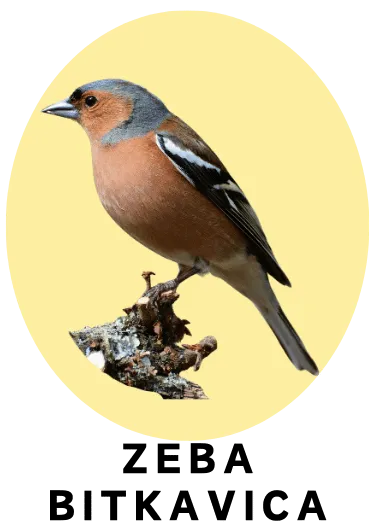
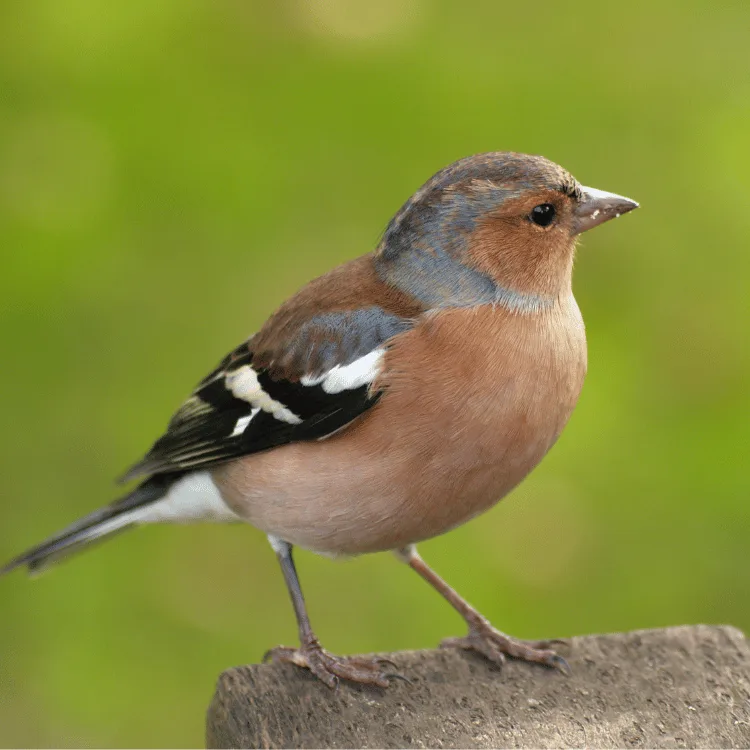
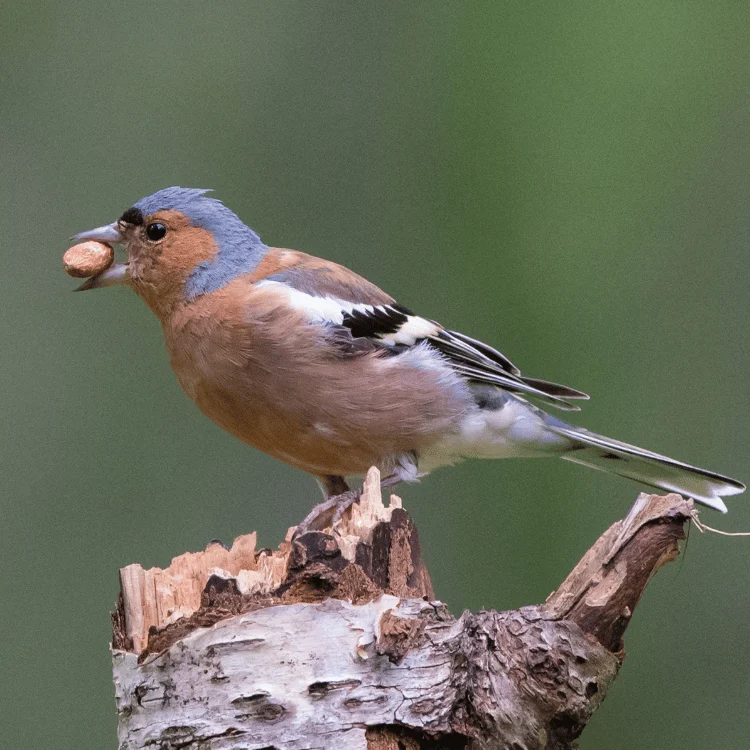
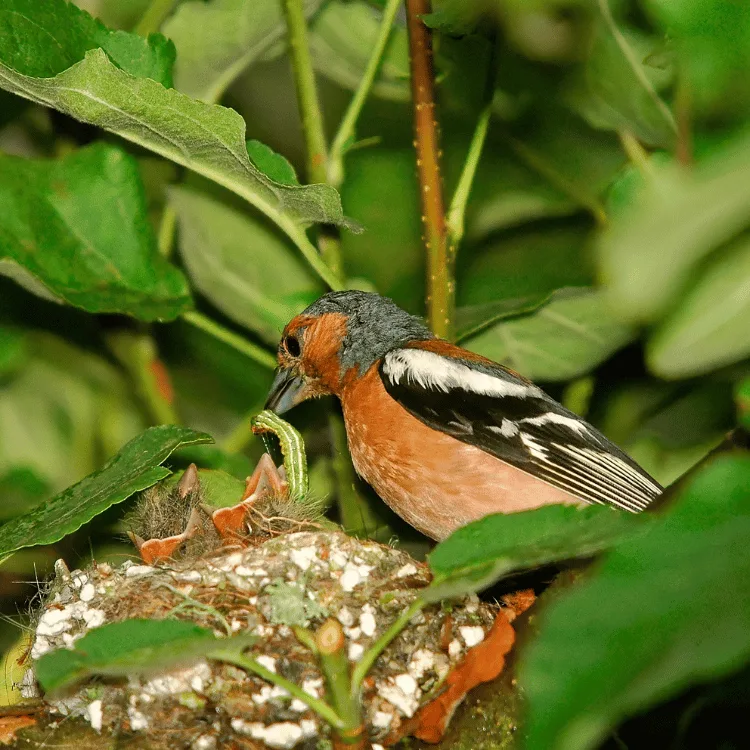
The male chaffinch is a true symbol of beauty in the bird world. The male’s plumagein shades of brown, reddish and grey makes this bird very easy to recognise, while the wings are black with prominent white bars that are especially noticeable in flight. The male’s headhas a bluish-grey tone that stands out most in spring and summer, during the breeding season.
Unlike the males, female chaffinches have less conspicuous plumage in brown and grey tones, which gives them better camouflage in the wild. These birds have a strongbeak adapted for eating seedsand picking buds and fruit.
What do chaffinches eat?
The common chaffinch is an omnivorous bird, and its diet is based on seeds, buds and fruit. In spring and summer its diet also includes insects, which are especially important for feeding the chicks. These insects provide the protein and nutrients the chicks need to develop healthily. Chaffinches are known for foraging on the ground, hopping among the grass and leaves to find hidden seeds or insects.
Finch species in Croatia
Croatia is home to several species of finch, and the best known of them is the common chaffinch. Besides it, several other finch species live in various parts of the country. European greenfinch (Carduelis chloris) The greenfinch can be recognised by its green colour and bright yellow wing bars. This species is common in towns and gardens, where it searches for seeds. Brambling (Fringilla montifringilla) The brambling, known for its black-and-white plumage, moves to the mountain areas of Croatia during the winter. European goldfinch (Carduelis carduelis) The goldfinch, with its characteristic red face and yellow wing bars, is found in almost every part of Croatia, especially in gardens and orchards.
The chaffinch’s song
One of the most recognisable features of the common chaffinch is its melodious song. Males sing different melodies that adapt to local conditions. Chaffinches in towns often use more high-pitched notes to be heard over the surrounding noise. Their song also serves as identification – each individual has its own characteristic “voice”, which allows members of the same species or territorial rivals to recognise each other.
The chaffinch’s social life
The common chaffinch is known for its social behaviour. In winter these birds gather in large flocks, often together with other species such as sparrows and greenfinches. This social dynamic gives them greater safety from predators and makes it easier to find food in the colder months. After the breeding season, males often form “bachelor clubs” – small flocks that stay together, while females and young birds remain in separate groups.
Nesting and caring for the young
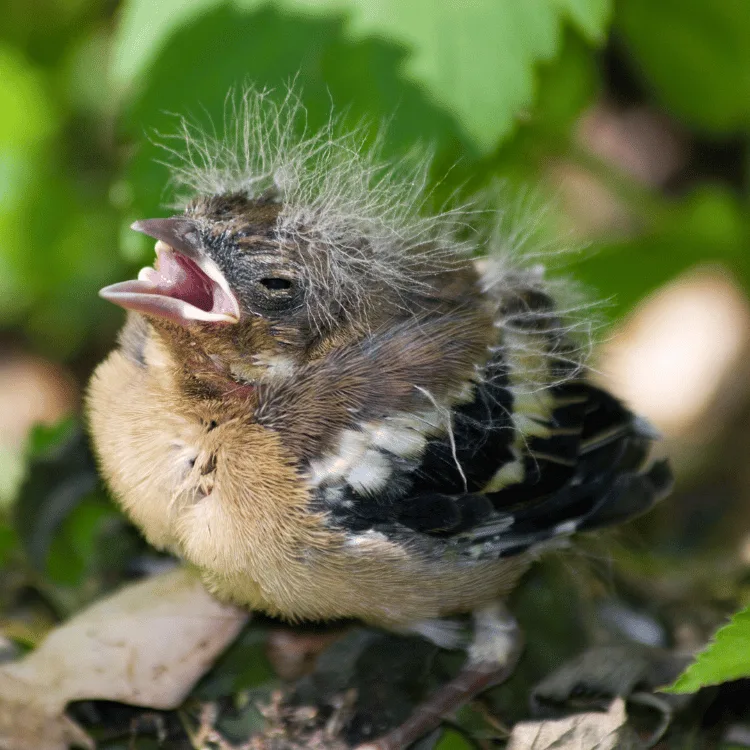
The common chaffinch (Fringilla coelebs) breeds from spring to summer, usually from April to July, depending on the weather. The female builds the nest on her own, while the male often accompanies her and guards the territory. Nesting: Nest site – the nest is placed in trees, shrubs or dense hedges, usually 2 to 10 metres above the ground. It is most often hidden in the fork of a branch. Building the nest – the female builds it from moss, lichen, grass and spider silk, and lines the inside with feathers and hair, making it warm and cosy. The nest is cup-shaped and well camouflaged. Eggs and incubation – the female lays 4 to 5 bluish or greenish eggs with dark spots. Incubation lasts about 11–14 days, and during this time only the female sits on the eggs. Caring for the young – after hatching, the parents feed the chicks insects and larvae. The young stay in the nest for about 13–15 days before they fledge. Chaffinches often have two broods a year, especially in warmer regions.
The ecological role of the chaffinch
The common chaffinch plays a key role in the ecosystem. As a natural regulator of insect populations and a seed disperser, it helps preserve the ecological balance. Its presence in gardens and forests is a sign of a healthy environment, and its song brings joy to nature lovers.